Summer Plant Care Checklist: How to Protect Your Plants from Heat
Introduction
I used to think summer was the easy season. Everything is growing, the sun is out, and your garden looks full and happy — what could go wrong, right?
A lot, actually. I learned that the hard way one July when I came out to my terrace and found half my plants wilting despite me watering them the day before. Leaves curled inward, soil bone dry, one pot so hot I could barely touch it. That was the summer I finally got serious about plants in summer and what they actually need when the heat hits.
The truth is, summer plant care is its own thing. It is not just “keep doing what you were doing in spring.” Heat changes everything — how fast the soil dries, how much sun your plants can handle, how often they need feeding. Once you understand that, everything else clicks into place.
This checklist walks you through exactly how to protect plants from heat and keep them going all season — without it taking over your life. Whether you are caring for an outdoor garden, a balcony full of pots, or a few beloved houseplants on a sunny windowsill, this one is for you.
What Summer Heat Actually Does to Your Plants
Before we get into the checklist, it helps to understand what is happening when temperatures climb. Plants in summer are working harder than at any other time of year. Photosynthesis speeds up, roots pull more water, and leaves lose moisture through their pores much faster in the heat. On a really hot day, a plant can lose more water in a few hours than it would in a full cool spring day.
At the same time, soil heats up from the top down. In direct sun, the surface of a pot or raised bed can reach temperatures that actually damage roots. Plastic pots are especially bad for this. Terracotta breathes better, but it also dries out faster — so there are trade-offs no matter what you are growing in.
Knowing how to protect plants from heat starts with accepting that summer plant care looks different from every other season. More checking. More adjusting. But once you build the habit, it genuinely becomes second nature.
Your Summer Plant Care Checklist
1. Rethink Your Watering Routine Completely
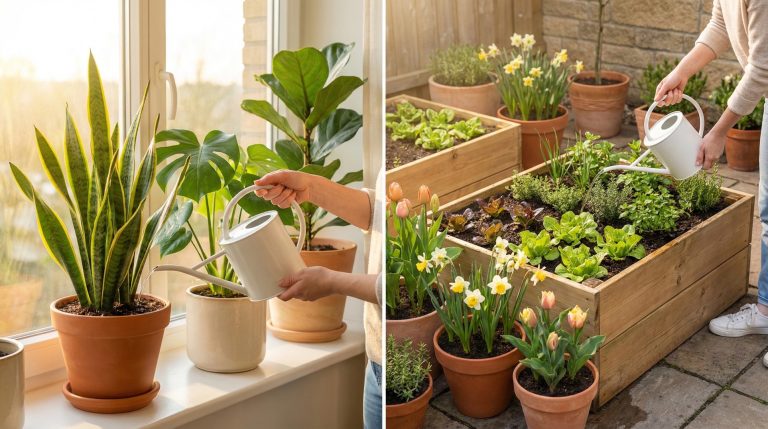
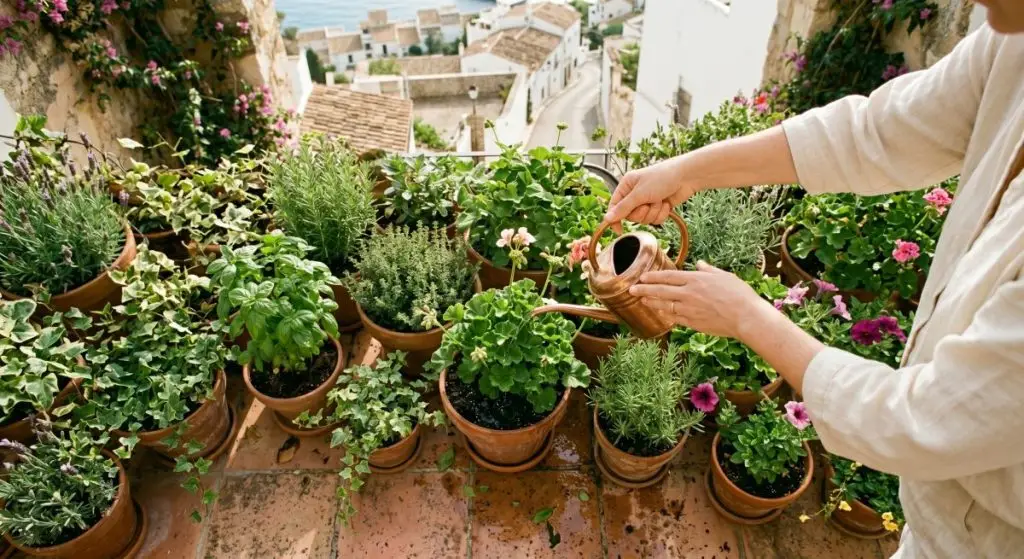
This is the one I tell everyone to start with, because it is the most common reason plants struggle in summer. The schedule that worked fine in April or May is almost definitely not enough by July. Most outdoor plants need watering once a day at minimum during a heat wave — some twice if they are in small pots or full sun.
The finger test is my go-to: stick your finger about two inches into the soil. Dry? Water now. Still slightly damp? Give it another day. It sounds simple but it beats any fixed schedule, because your plants will tell you what they need if you just check.
Water deeply and slowly, not just a quick splash on the surface. Deep watering pushes moisture down to where the roots actually are. Light watering just wets the top inch and evaporates fast, which teaches roots to stay shallow and makes the plant even more vulnerable when it gets really hot.
Early morning is the best time to water — before the sun gets intense and before the heat of the day sets in. If you find yourself constantly guessing frequency, our Plant Watering Calculator can take the guesswork out completely. You just plug in your plant type and conditions and it tells you what you need.
2. Manage Sun Exposure — Even for Sun-Loving Plants
Here is something I wish someone had told me earlier: more sun is not always better, especially in summer. Even plants that love full sun can start struggling when afternoon heat hits above 35°C (95°F). That intense midday and early afternoon sun — roughly 12pm to 4pm — is the window where most plant damage happens.
For outdoor plants, a 30–40% shade cloth during those peak hours makes a noticeable difference without blocking the light they need in the morning and evening. For potted plants, sometimes just moving them a meter or two to where they get afternoon shade from a wall or fence is all it takes.
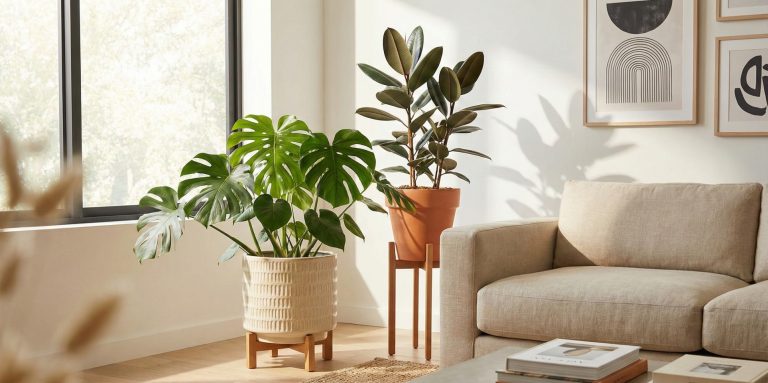
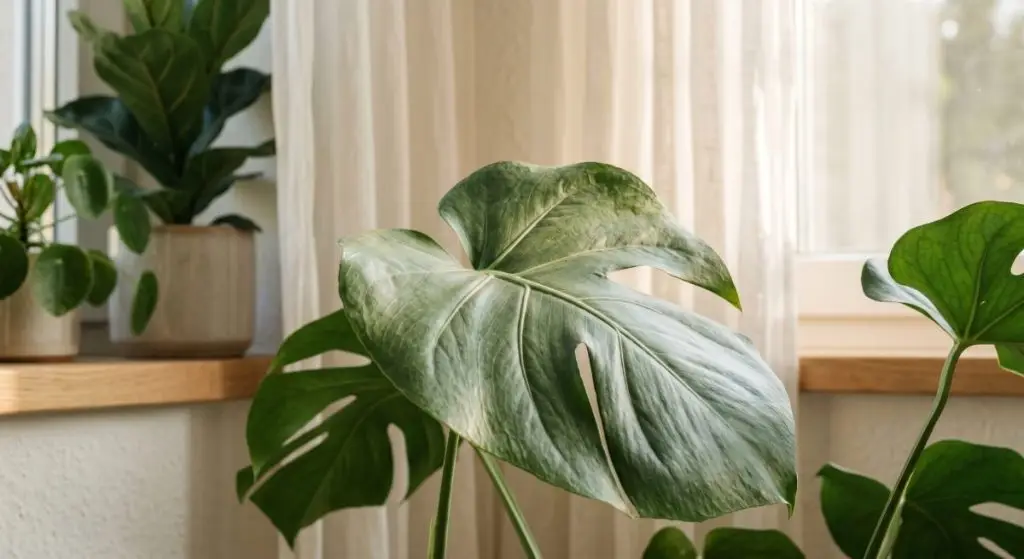
Indoors, sheer curtains on south or west-facing windows are a really simple fix. And if you are growing in terracotta pots that sit in direct sun, know that those pots absorb and hold heat — which can cook roots from the outside in. It is worth thinking about what your plants are growing in, not just where they are sitting. The guide on Types of Plant Pots for Indoors and Outdoors goes into this in detail if you are thinking about switching things up.
3. Mulch Your Garden Beds Before the Heat Peaks
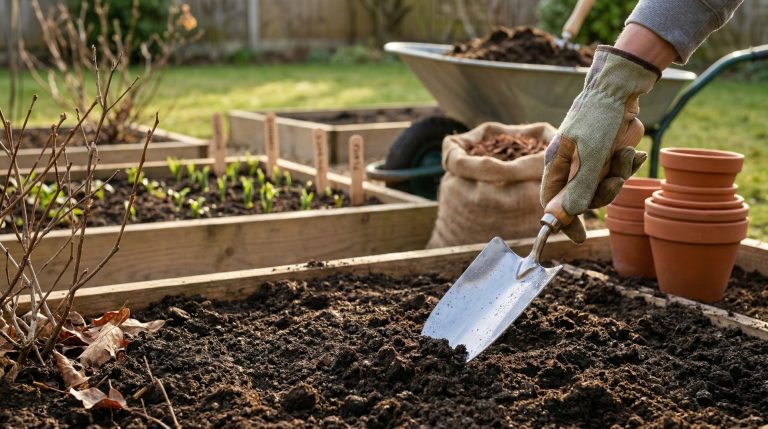
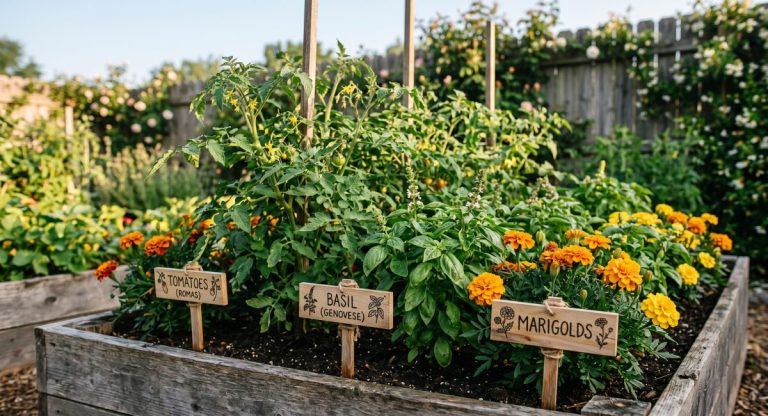
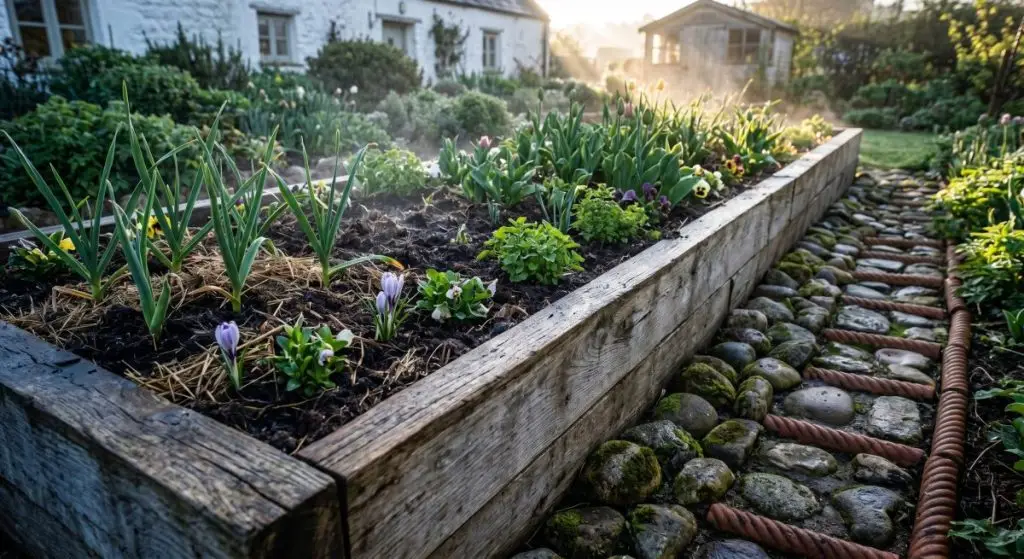
If you have outdoor garden beds, mulching is probably the single highest-return thing you can do for them in summer. A two to three inch layer of organic mulch — wood chips, straw, shredded bark — over the soil does three things at once: it keeps moisture in, keeps the soil temperature down, and reduces how often you need to water. In really hot weather that can mean the difference between watering every day and watering every two or three days.
For potted plants, you can add a thin layer of mulch or decorative stones on top of the soil to slow evaporation. It is not as dramatic as mulching a bed, but it helps. I also place saucers under my outdoor pots in summer so any water that drains through gets slowly reabsorbed — nothing gets wasted.
4. Keep Feeding Them — But Time It Right
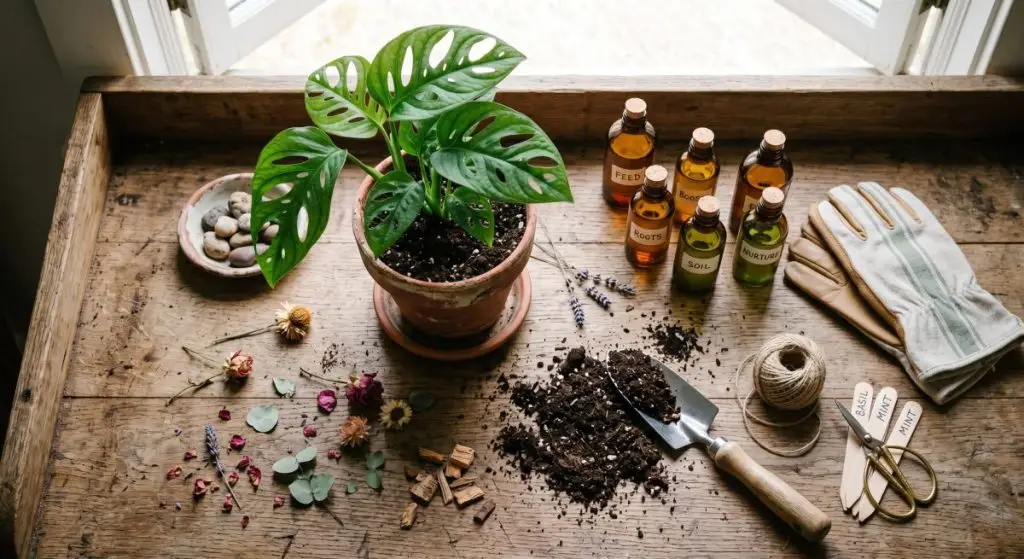
Summer is peak growing season for most plants, which means they are hungry and fertilizing regularly is genuinely worth doing. A balanced liquid fertilizer every two to three weeks works well for most outdoor plants. For indoor plants, I do once a month — they grow more slowly indoors and less frequent feeding is usually enough.
The one rule I never break: never fertilize a plant that is already stressed, wilting, or showing heat damage. It feels counterintuitive — like you are helping — but adding fertilizer to a stressed plant causes root burn and makes things worse. Water first. Let it recover for a day or two. Then feed once it looks more stable.
5. Know What Heat Stress Looks Like Before It Gets Serious
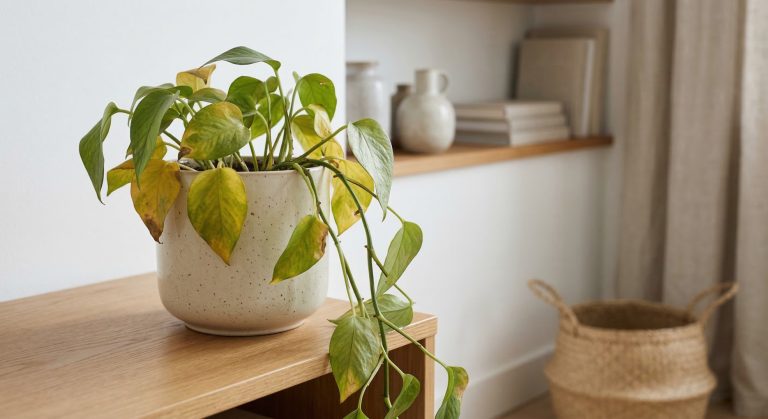
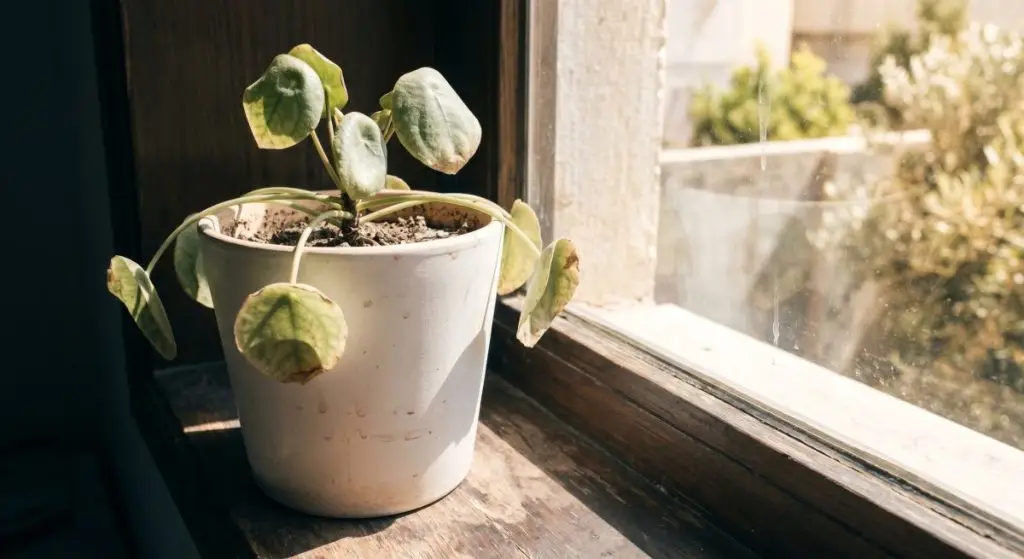
This one matters because catching heat stress early is the difference between a plant that bounces back in two days and one that keeps declining. The signs are subtle at first: wilting in the morning before it even gets hot outside, leaves that feel soft and limp, yellowing on the lower leaves, or tips that are going brown and dry.
If you notice any of those, act fast. Move the plant somewhere cooler and shadier, give it a slow deep watering, and leave it alone for a day. Most plants recover well if you catch it early. What you want to avoid is leaving a stressed plant in the same conditions and hoping it adjusts — it usually does not.
Dehydration and heat stress look similar but are not always the same thing. Dehydration shows up as papery, paper-thin leaves and soil that has pulled away from the edges of the pot. Heat stress is more about wilting and discoloration even when the soil is reasonably moist. Both need shade and water, but heat stress sometimes also means the plant needs to be moved somewhere cooler permanently.
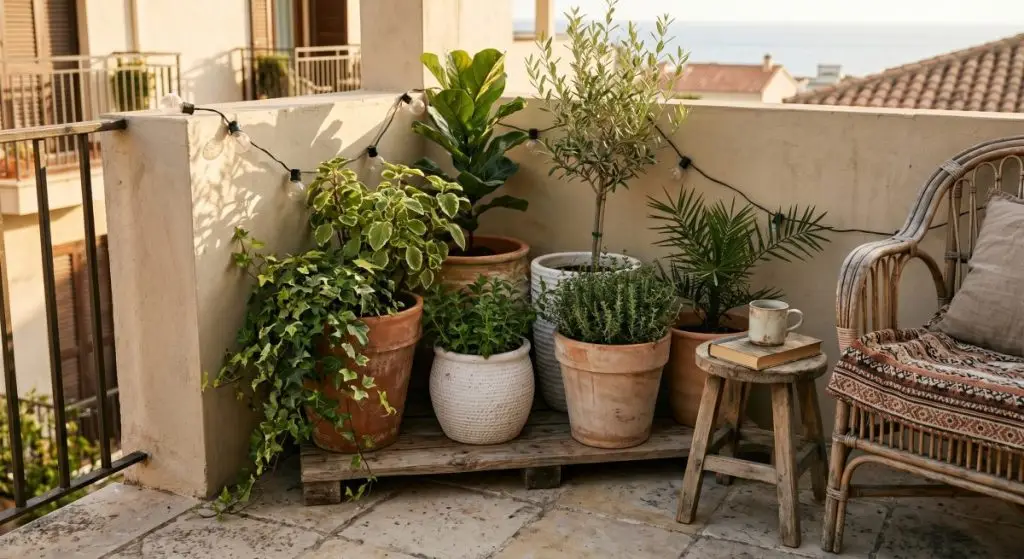
6. Cluster Your Potted Plants Together
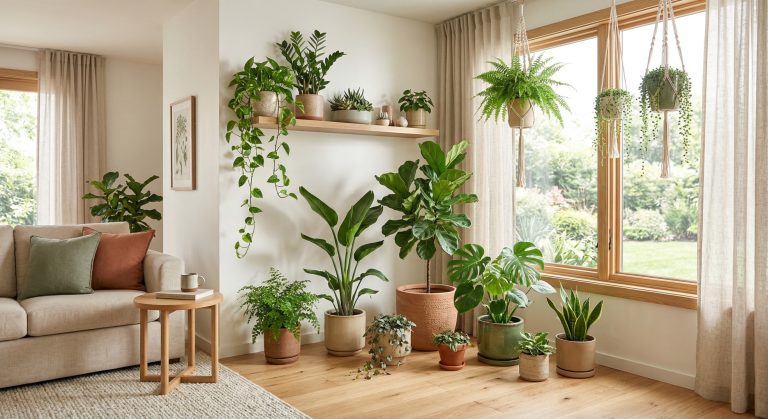
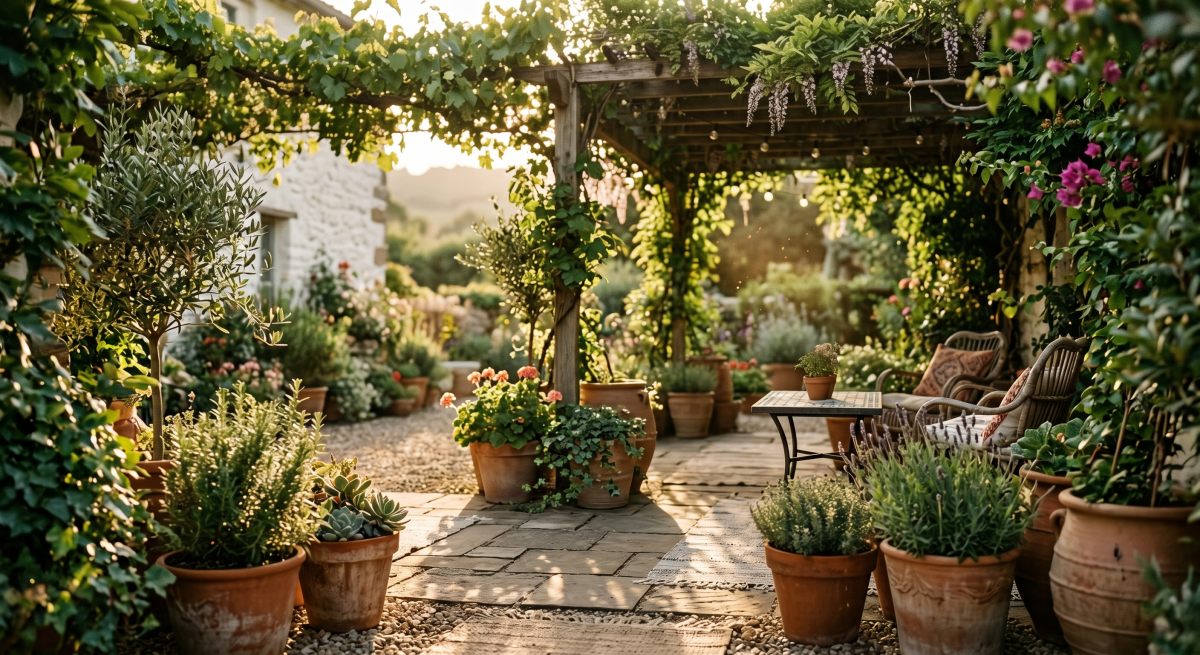
This is genuinely one of the most underrated summer tips and it costs nothing. When you group several pots together, the plants naturally raise the humidity around themselves through transpiration — they release moisture through their leaves and the cluster holds onto it. In dry summer heat, that small humidity buffer makes a real difference, especially for tropical plants that hate dry air.
It also means less sun hits each individual pot from the sides, which keeps root temperatures lower. And honestly, it just makes watering faster and easier when everything is in one place. I group my terrace pots in clusters of three to five every summer and the difference compared to isolated pots in the same conditions is noticeable.
The type of pot you use also matters more in summer than most people think. Some materials hold heat, others lose water faster. If you want to go deeper on that, the guide on Types of Plant Pots for Indoors and Outdoors covers everything — how to choose, what to avoid, and how to style them too.
7. Stay on Top of Deadheading and Light Pruning
I used to do one big pruning session every few weeks and let everything pile up in between. Summer taught me that little and often is a much better approach. A quick five-minute walk-through every few days to remove dead leaves, spent flowers, and any damaged stems keeps plants looking good and stops small issues from turning into bigger ones.
Deadheading — removing flowers that are past their best — is worth doing regularly in summer because it redirects the plant’s energy into new growth and blooms instead of setting seed. For flowering plants, this can extend the blooming season significantly. For foliage plants, removing yellowing or dead leaves helps keep air circulating and reduces the risk of fungal problems, which can creep up in summer when heat and moisture mix.
What You Will Need
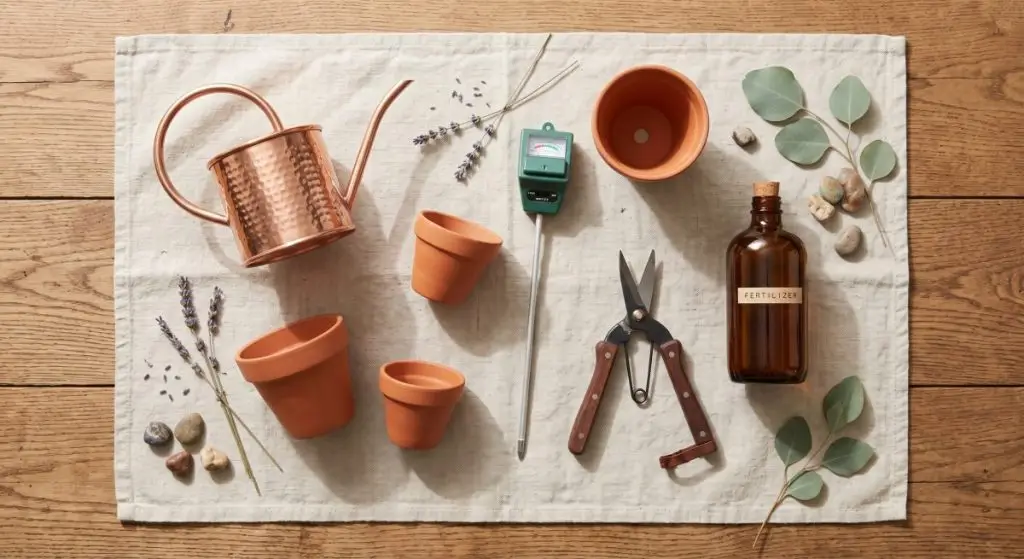
You do not need a lot. These are the things I actually reach for every summer:
- A watering can with a long narrow spout — easier to water deeply without splashing
- Shade cloth (30–40% density) for outdoor beds or potted plants in full sun
- Organic mulch — wood chips, straw, or shredded bark
- Liquid fertilizer with balanced NPK — something like 10-10-10 works for most plants
- A moisture meter — genuinely useful if you have a lot of plants and tend to over or under water
- A plant mister — especially for indoor tropicals that hate dry summer air
- Terracotta saucers — place under outdoor pots to catch and reabsorb drainage
- Clean pruning shears — always wipe blades between plants to avoid spreading any disease
All of these are easy to find on Amazon — moisture meters and shade cloths especially have great options at different price points, and the reviews are helpful for picking the right one for your setup. You can also find most of the basics at Home Depot, Walmart, or any local garden center if you prefer to grab things in person. Either way, none of this needs to be expensive to work well.
Mistakes That Are Easy to Make in Summer
Watering on the same schedule all season. This is the big one. A lot of people set a watering routine in spring and never adjust it. By mid-summer that routine is probably half of what it should be, and plants start struggling quietly before you notice. If you need help figuring out the right frequency for each plant, the Plant Watering Calculator is a good place to start.
Fertilizing a plant that is already struggling. It feels like the right thing to do — like giving it extra support. But stressed roots cannot absorb fertilizer properly and it ends up burning them. The rule is always: water first, stabilize, then feed once the plant looks better.
Ignoring indoor plants because they are inside. A room that gets afternoon sun in July can be 10–15 degrees hotter than the rest of the house. I have had indoor plants show signs of heat stress that looked exactly like problems I thought only happened outdoors.
Moving a plant from shade to full sun too quickly. Foliage that has been growing in lower light cannot handle sudden direct sun — it burns fast. If you are repositioning plants at the start of summer, do it gradually over a couple of weeks, giving them a little more direct light each day.
Keeping It Simple
Honestly, summer plant care is not complicated once you are paying attention. Most of the work is just checking in more regularly than you do in other seasons — soil moisture, leaf condition, sun exposure. Plants are pretty communicative if you know what to look for.
The checklist above covers everything that matters. Work through it, build the habits early in the season, and the rest of summer becomes a lot more relaxed. Your plants will be in better shape for it, and so will you.
Got a summer tip that has worked really well for you? Drop it in the comments — I genuinely love hearing what other people have figured out.
Frequently Asked Questions
When should I start thinking about summer plant care?
As soon as daytime temperatures are regularly above 27°C (80°F), it is time to shift how you are caring for your plants in summer. Do not wait until you see damage — adjusting early makes everything much easier. The watering change especially is worth making before the heat peaks, not after.
What is the most important thing to do to protect plants from heat?
Consistent, deep watering is the most critical part of summer plant care. Almost every other heat-related problem — wilting, root damage, leaf burn — is made worse by uneven or insufficient watering. Get that right first and everything else becomes easier to manage. If you are not sure how often to water your specific plants, our Plant Watering Calculator gives you a frequency based on your plant type and conditions — it takes about 30 seconds to use.
Can I do all this without spending much money?
Yes, really. The finger test costs nothing. A bag of wood chip mulch from a hardware store is a few dollars and covers a lot of ground. A shade cloth is cheap. The most valuable things you can give your plants in summer are attention and consistency — and those are both free.
Why are my indoor plants struggling even though they are not outside?
This is more common than people expect. Summer plant care applies indoors too. Rooms with south or west-facing windows can get genuinely hot in the afternoon, and the air inside gets dry with air conditioning running. If your indoor plants are wilting or developing crispy edges, check the temperature near the window in the afternoon — it is probably higher than you think. Moving them back slightly and misting occasionally usually helps a lot.
Should I repot plants during summer?
It is best to avoid repotting during peak summer heat if you can. Transplanting is stressful on its own and adding that stress on top of summer heat is a lot for a plant to handle at once. If it cannot wait, do it early in the morning, water well right after, and keep the plant in shade for a few days while it settles in.
How do I know if my plant needs water or is just heat stressed?
Check the soil first. If it is dry two inches down, the plant needs water. If the soil is still reasonably moist but the plant is drooping and discolored, it is more likely heat stress than dehydration. In that case, moving it somewhere cooler and shadier is the priority over adding more water.