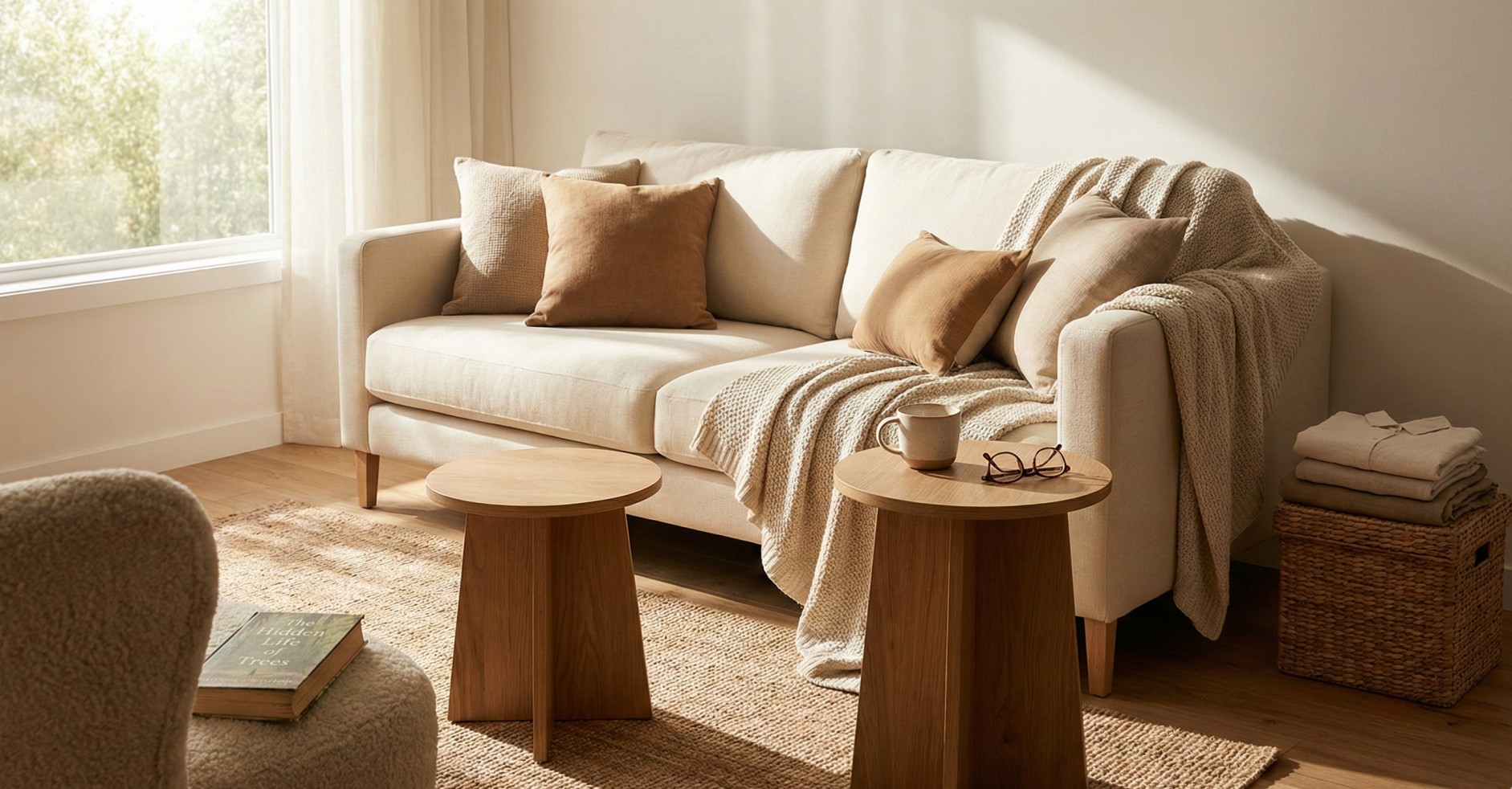
Things That Make a Home Feel Messy (Even When It’s Clean)
Introduction
We’ve all been there — you spend hours cleaning, put everything away, and then step back only to still feel like your home looks messy. Why does that happen? It’s frustrating, especially when your floors are vacuumed and your kitchen counters sparkle. The truth is, clean ≠ organized in a way that feels peaceful. There are sneaky visual and spatial triggers that make even cleaned spaces feel chaotic.
In this post, we’re exploring the subtle culprits that make your home feel messy — even when it’s objectively clean. Whether you’re preparing for guests, trying to relax after a long day, or optimizing your space for better calm and focus, recognizing these hidden triggers will help you elevate your home’s atmosphere.
Visual Clutter: When Too Much Is in Sight
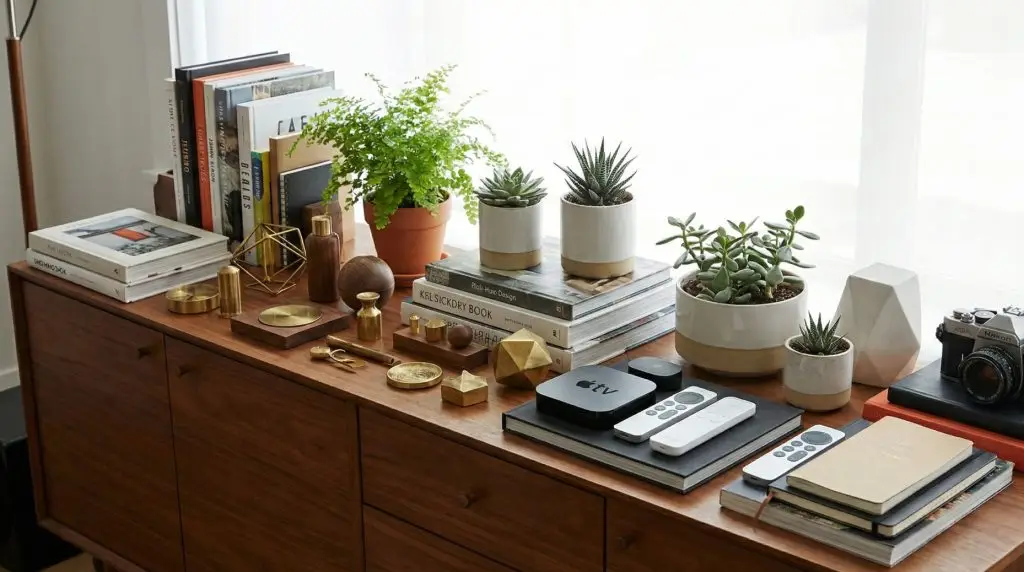
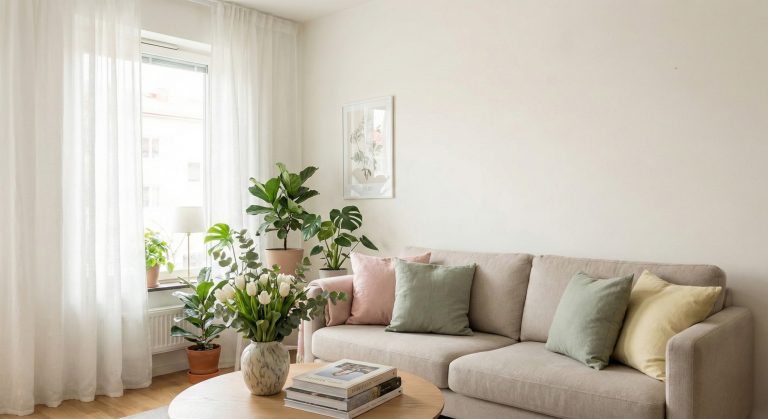
Even if everything is dusted and in its spot, too many items in plain view can overwhelm the eye. Our brains prefer simplicity. When there are many unrelated objects sharing a surface — like a coffee table or kitchen counter — it creates visual noise. This doesn’t mean you have to eliminate all décor; rather, it’s about curating what stays visible.
- Keep smaller collections in contained trays or baskets
- Rotate décor seasonally instead of displaying everything at once
- Reserve clear surfaces to create breathing room
This simple tactic makes rooms feel cleaner instantly.
Unbalanced Furniture Layout
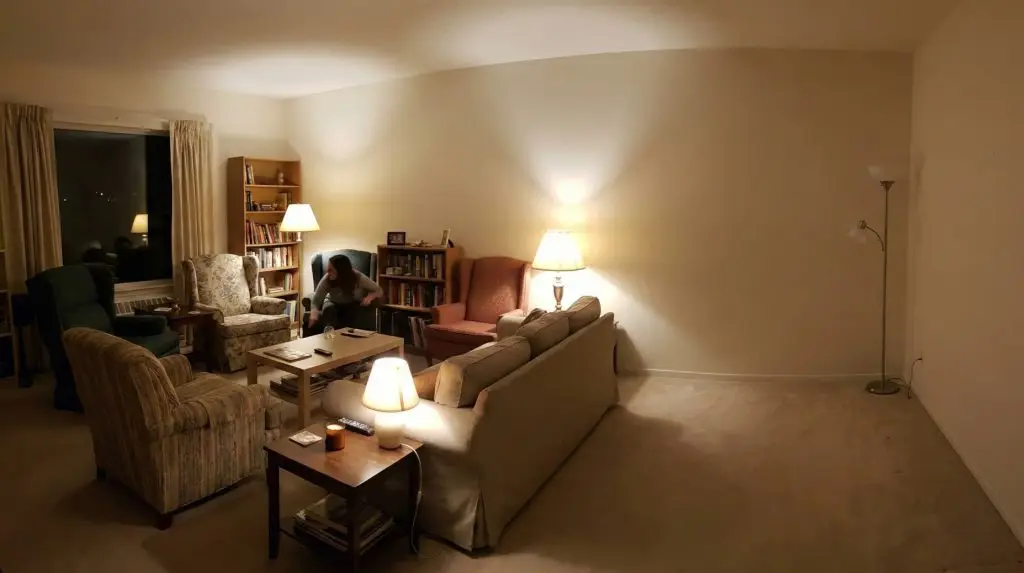
Furniture that’s pushed awkwardly against walls, bunched in one corner, or blocking pathways can make a room feel cramped — even if the floor is spotless. When furniture doesn’t allow good visual flow, your eyes struggle to “read” the space easily.
Tips to fix layout imbalance:
- Create clear walking paths
- Move a piece or two away from walls if possible
- Use rugs to define seating areas
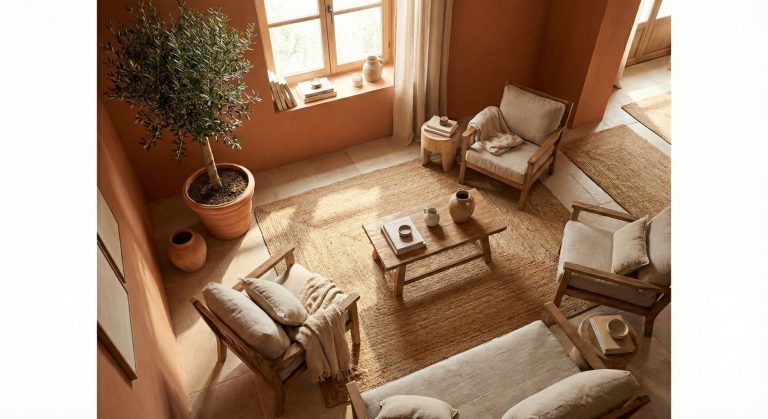
- Allow negative space — this makes a room feel bigger and calmer
Piles (Even Small Ones)
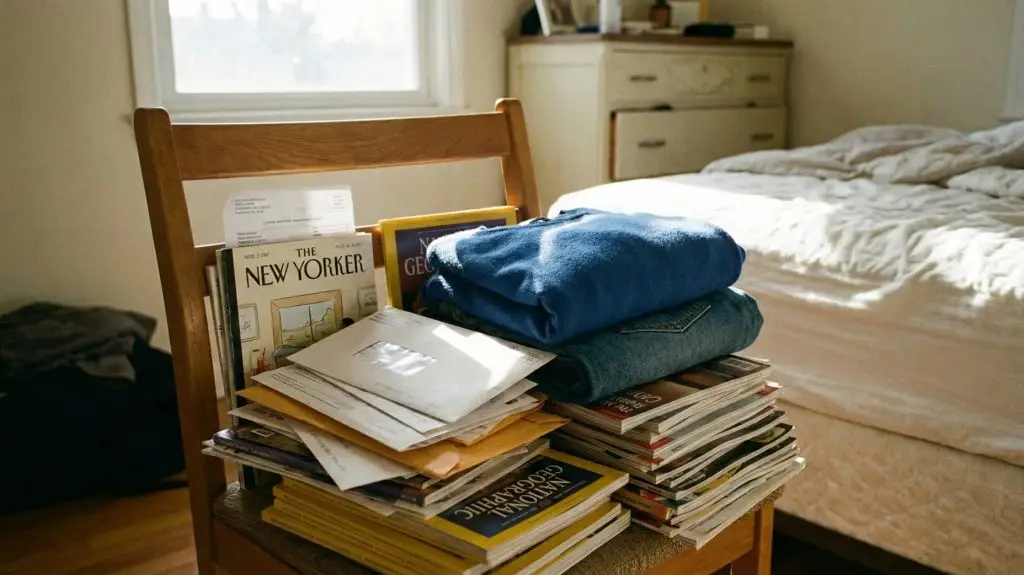
Whether it’s mail on the counter, magazines on the couch, or folded laundry waiting to be put away — little piles add up. The brain interprets stacks as unfinished business, even if they’re perfectly clean.
Quick fixes:
- Set up a mail-processing station
- Use baskets for incoming items
- Unfold and put away laundry right when it’s done
These small habits reduce mental clutter drastically.
Too Many Patterns or Colors
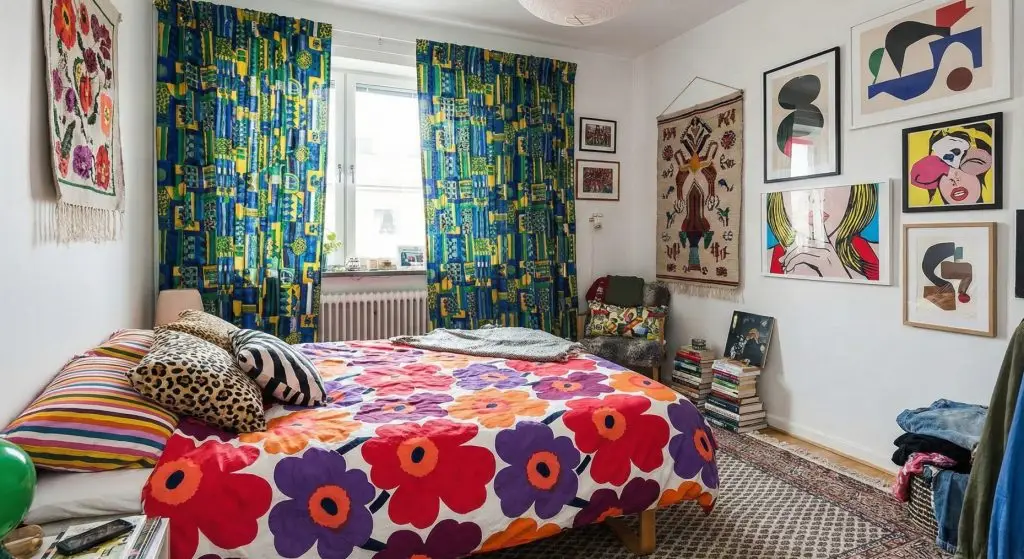
Even clean rooms can feel chaotic visually if patterns and colors compete for attention. Our eyes crave harmony. A room with 5+ bold patterns or an overload of bright hues feels energetically messy.
How to harmonize:
- Stick to a cohesive color palette
- Use solid-colored textiles to balance busy patterns
- Ground rooms with neutral basics
Your home will feel more intentional and soothing.
Distracting Sounds
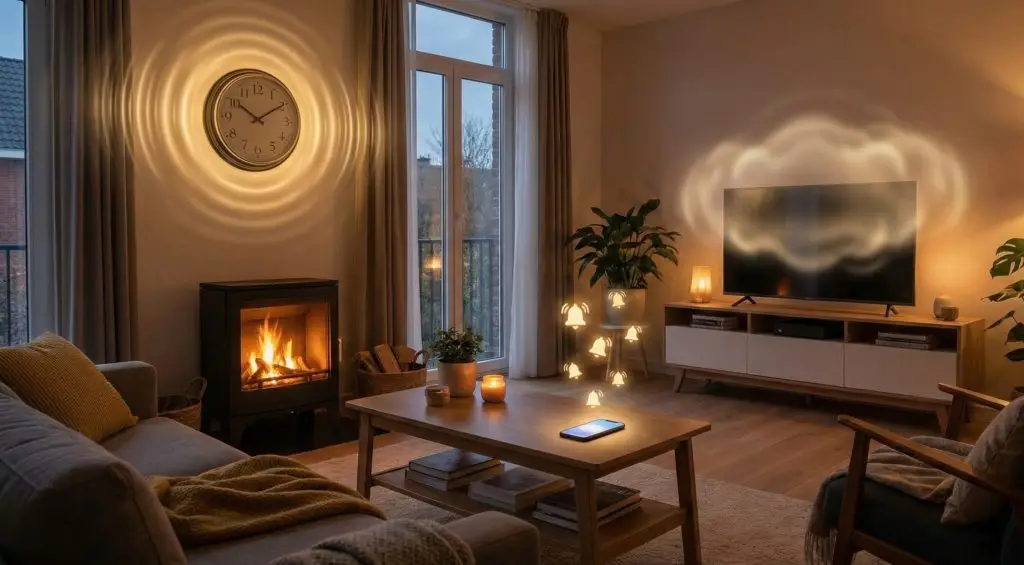
Clutter isn’t just visual. Sound contributes massively to the sense of mess. Random beeps, loud ticking clocks, TV noise, and even appliances running in the background pull your focus and make a space feel chaotic.
To calm the auditory clutter:
- Use soft background music or white noise
- Turn off unnecessary electronics
- Choose quieter devices when possible
The result? A home that feels calmer instantly.
Unresolved Cords and Tech Clutter
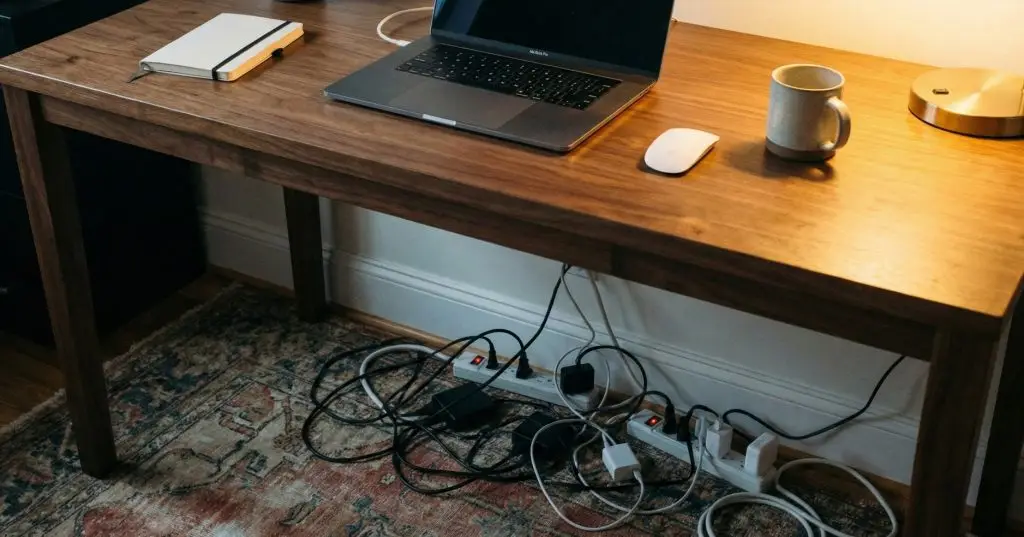
You can dust and disinfect all you want, but visible cords and tech clutter scream disorder. Our eyes latch onto chaos — and a tangled mess of cables does exactly that.
Simple fixes:
- Use cord organizers and sleeves
- Route cables behind desks or furniture
- Mount power strips under surfaces
It’s a tiny detail with a big impact.
Mismatched Storage Solutions

Storage can either hide the mess or announce it. When your bins and baskets are mismatched — in style, size, or color — the result is visual fragmentation. It may be organized, but it doesn’t look unified.
Make it feel cleaner by:
- Choosing a consistent storage style
- Labeling baskets for purpose
- Sticking to a cohesive color scheme
Coordinated storage feels intentional — and tidy.
Open Shelving Without Purpose

Open shelving can be beautiful but only when curated. When dishes, jars, and kitchen tools fill shelves with no visual logic, you get clutter vibes even after cleaning.
Style tips:
- Only display items you actually use or love
- Group similar items by color or type
- Fill gaps intentionally with décor
This turns shelves into features, not distractions.
Neglected Corners and Zones

One tidy table doesn’t erase a messy corner. Our attention is drawn to neglect. A neglected corner with random items disrupts the overall calm of a room.
Fix it with:
- A dedicated corner station (e.g., shoe rack, coat stand)
- A small basket for quick daily deposits
- Daily micro-checkups — 2 minutes is all you need
You’ll be amazed how a single corner upgrade shifts the whole vibe.
Lack of Lighting Balance
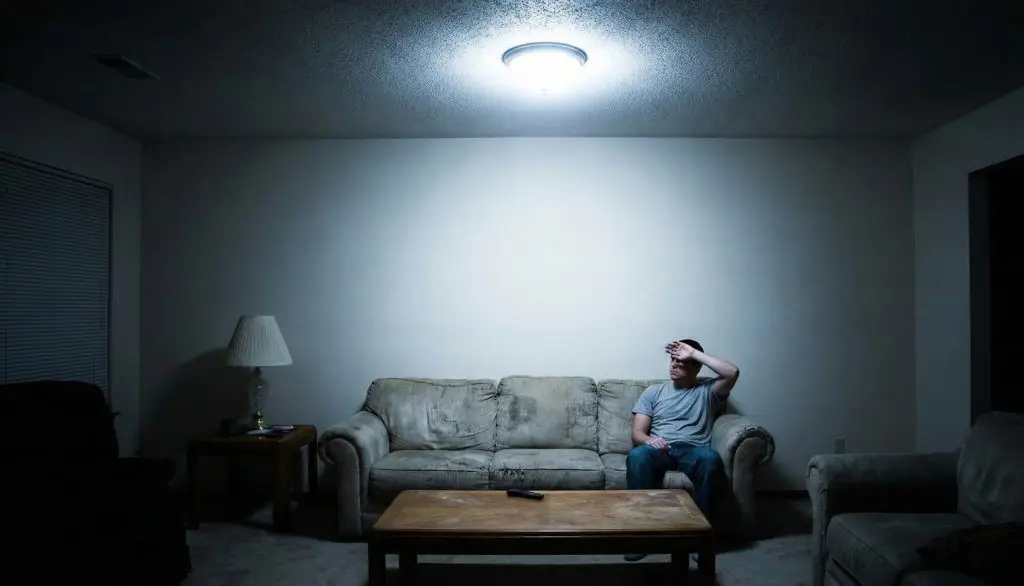
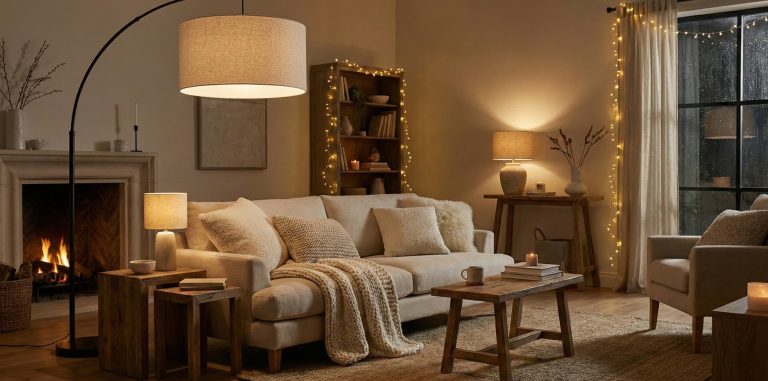
Lighting matters more than most people think. Harsh overhead lights, dark corners, or uneven lighting can make spaces feel stark or chaotic — even when surfaces are clean. Balanced lighting creates warmth and visual harmony.
Lighting tips:
- Use layered lighting (ambient, task, accent)
- Add floor or table lamps in darker areas
- Choose warm bulbs for comfort
Soft, balanced light makes any room feel instantly inviting.
Why Feeling Messy Is Psychological Too
Even clean spaces can feel messy when your brain senses unfinished tasks, unpredictability, or sensory overload. That’s why cleaning alone isn’t enough — intentional organization, calm design, and sensory balance all play a role.
If you’re interested in creating a home that feels calmer and more supportive, you might enjoy our related post, 7 Simple Ways to Create a Cozy Indoor Sanctuary, where we explore how lighting, layout, and small design choices can dramatically improve how your home feels day to day.
Conclusion
Cleaning removes dust — but intentional organization removes mental noise. A home that feels calm and orderly isn’t just dust-free; it’s visually balanced, functionally designed, and emotionally supportive. The biggest culprits that make a home feel messy — even when it’s clean — are:
- Visual clutter
- Unbalanced layouts
- Small piles left out
- Too many patterns or loud colors
- Auditory distractions
- Tech and cord clutter
- Mismatched storage
- Overstuffed open shelving
- Neglected corners
- Harsh or uneven lighting
The good news? None of these require deep cleaning — just intentional design tweaks and habits.
By understanding how your brain perceives space, you’ll make every room feel clean AND calm. That’s the real goal.