How to Turn Your Indoor Plants into Living Art
Introduction
Indoor plants already make a room feel better—but with a few styling choices, they can become full-on “living art.” Think of your plants like sculptures: they have shape, texture, line, and movement. When you place them with intention (and give them the right supporting cast), they stop being “just greenery” and start looking curated—like part of your décor plan.
Below are simple, renter-friendly ways to style indoor plants so they look like a design feature, not an afterthought.
1) Choose a “main character” plant
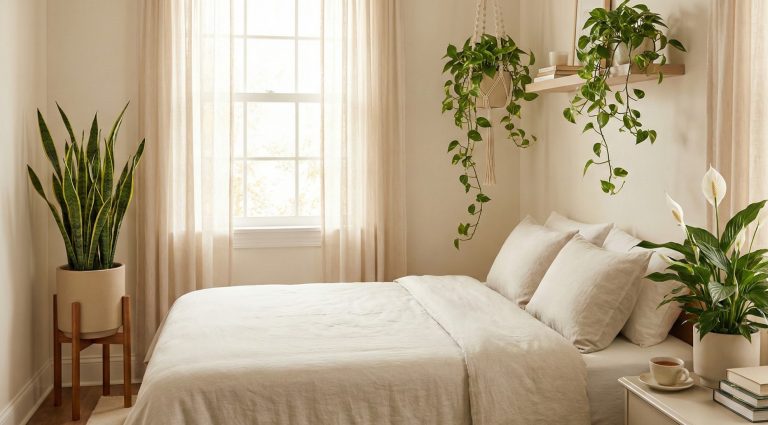
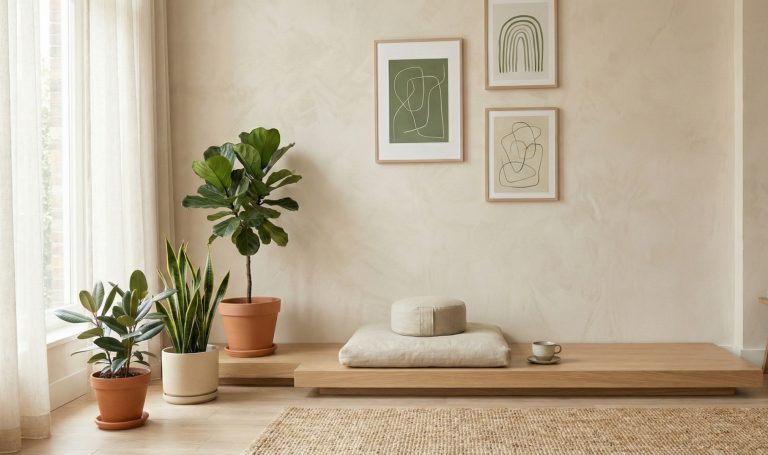
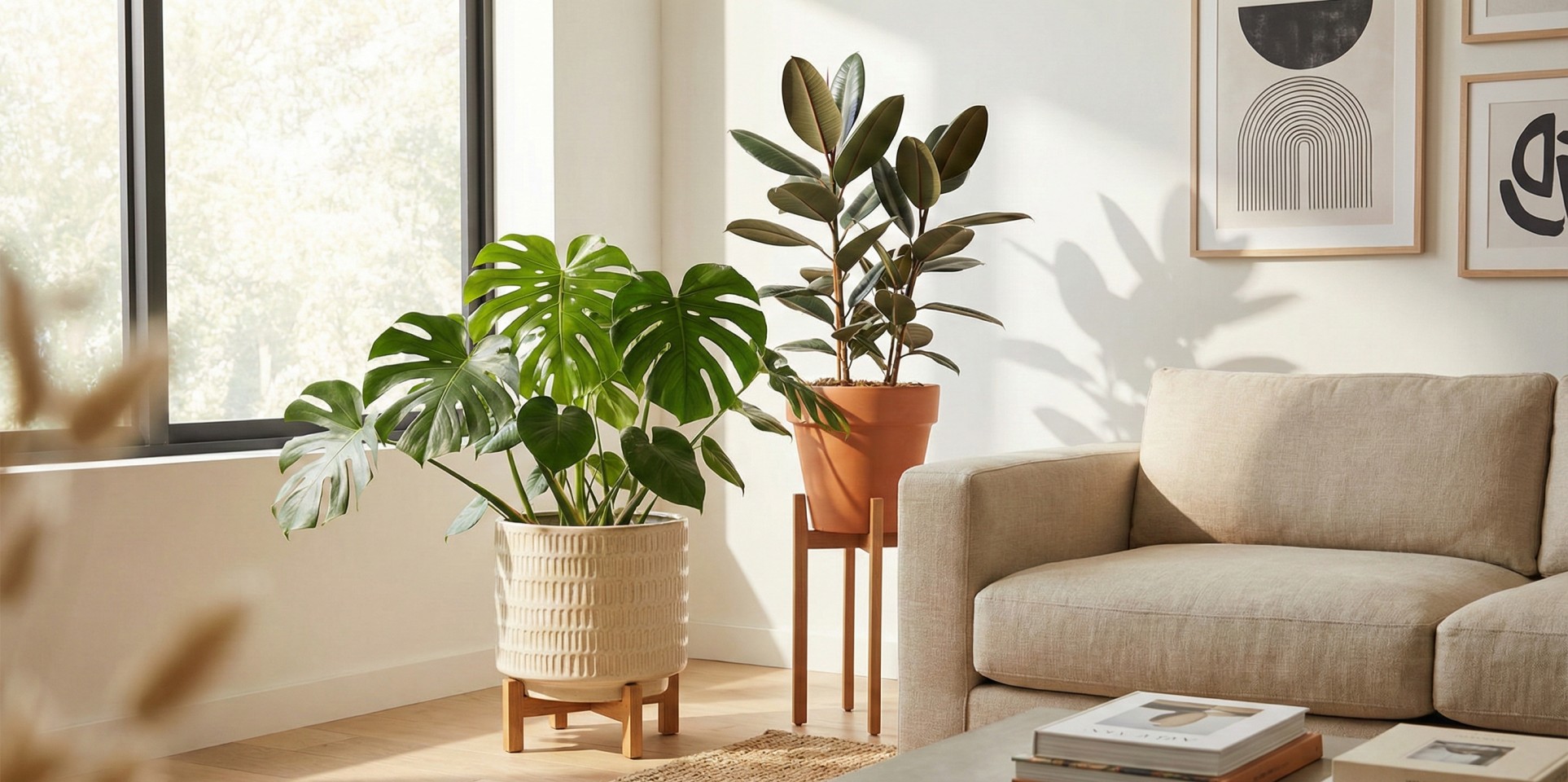
Every art wall needs a focal piece. Pick one plant to be your statement—something with bold leaves, a strong silhouette, or dramatic height. Great “main characters” include a bird of paradise, monstera, rubber plant, ficus, or a large palm. If you’re short on space, choose a sculptural medium plant like a snake plant or a ZZ plant and elevate it with a tall planter or stand.
Design tip: place your statement plant where the eye naturally lands—near a sofa, by a bright window, or at the end of a hallway.
2) Think in shapes, not just species
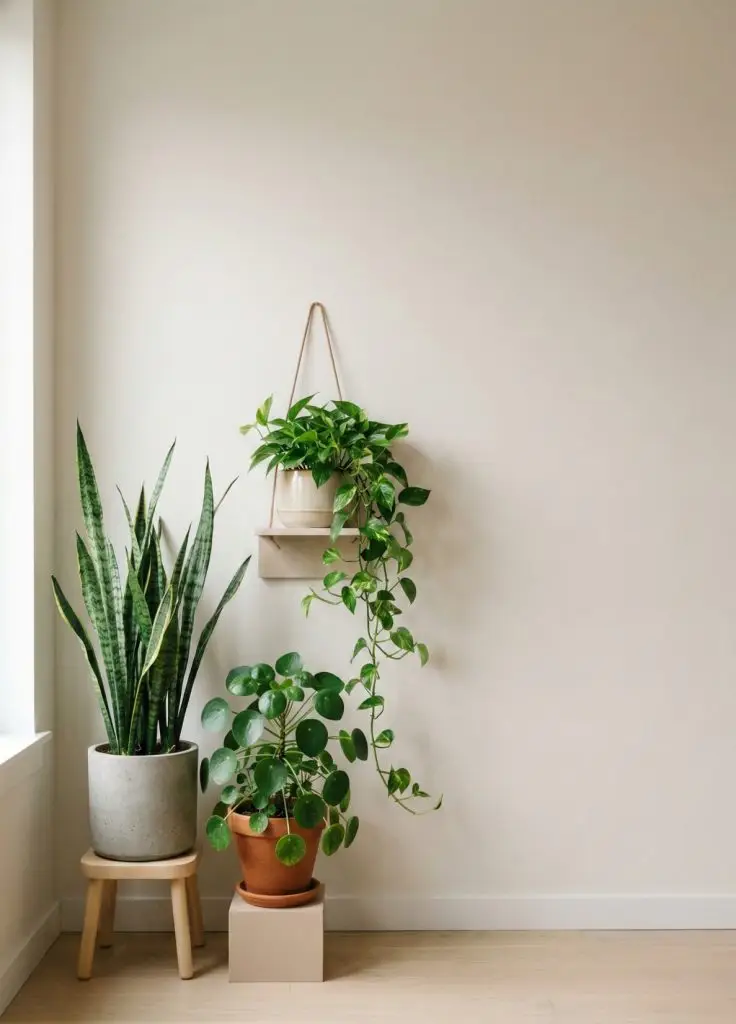
Artists use contrast: round vs. spiky, matte vs. glossy, large vs. small. Do the same with plants.
Try a trio like:
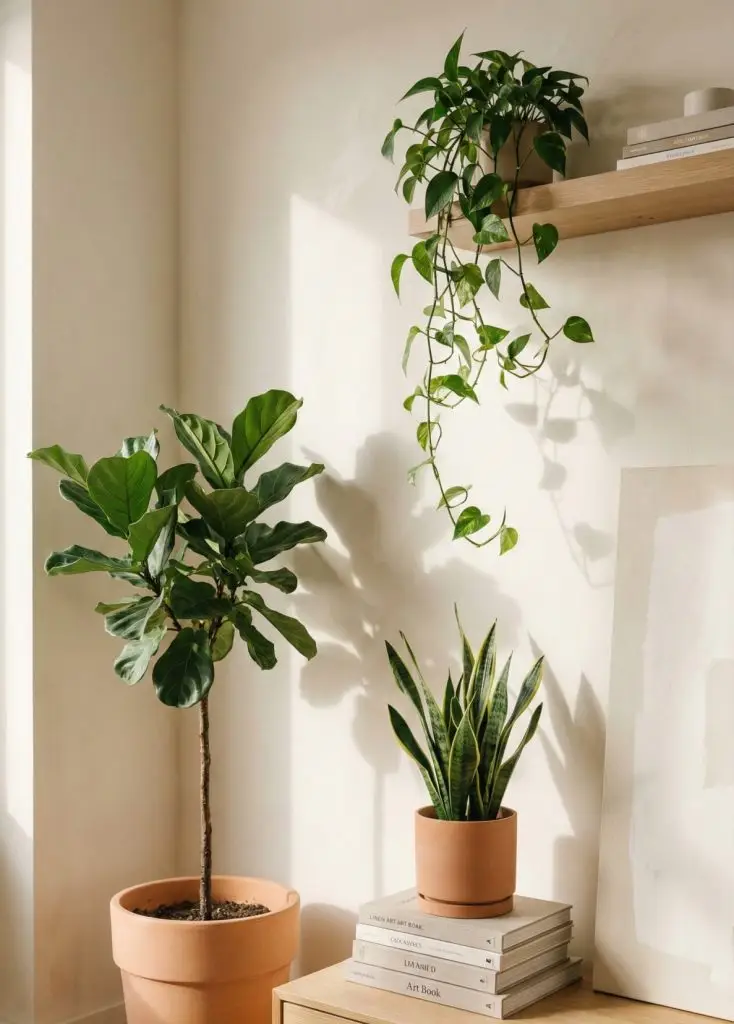
- Spiky: snake plant or dracaena
- Round: pilea or peperomia
- Trailing: pothos or philodendron
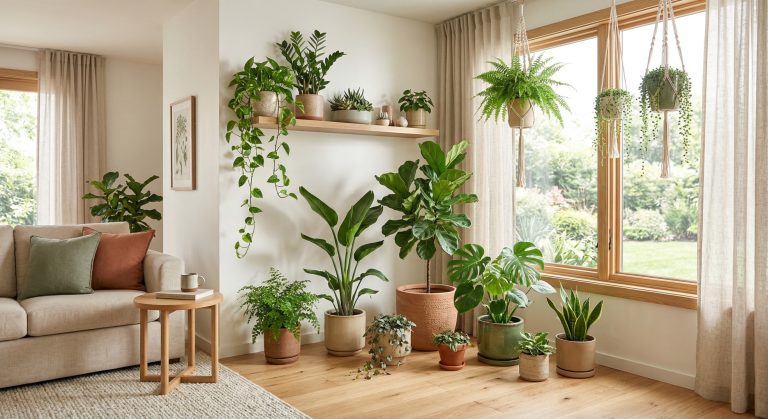
When you mix shapes, your arrangement instantly looks intentional and layered—like a gallery installation.
3) Upgrade the “frame”: pots, planters, and stands
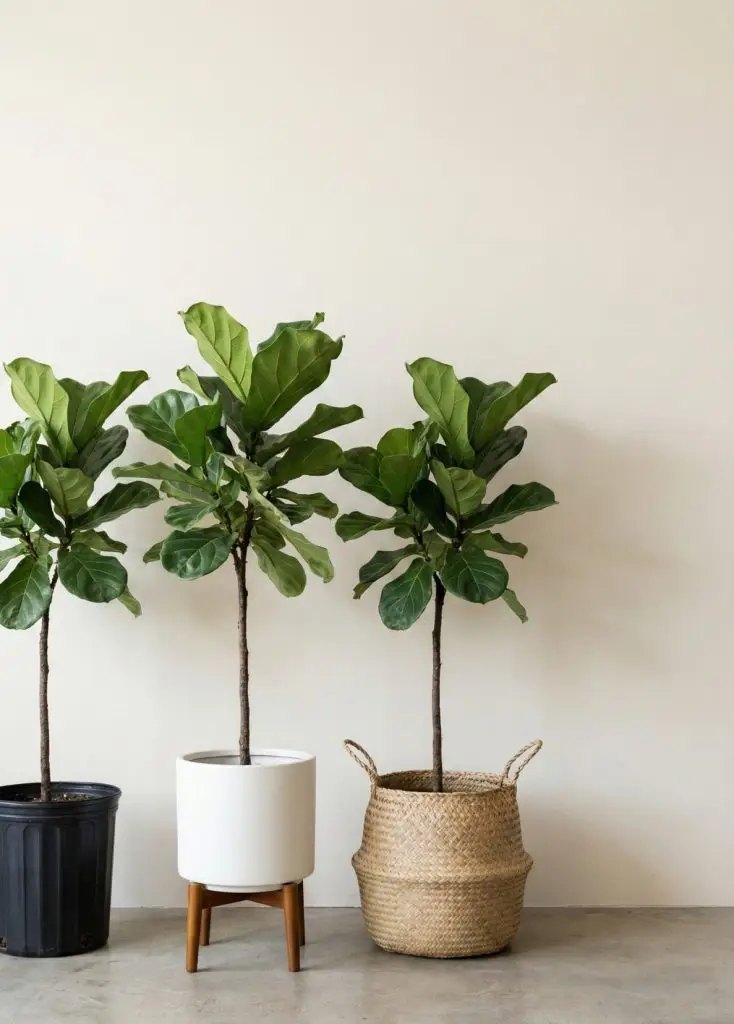
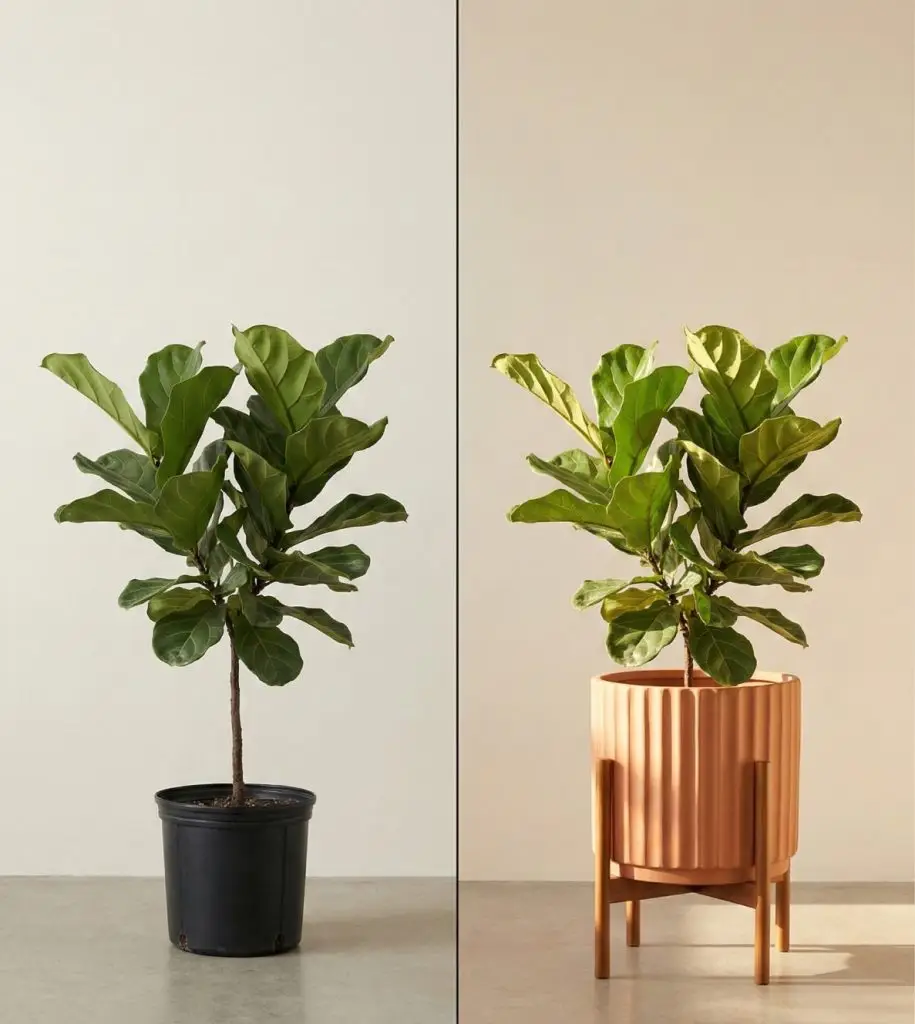
A beautiful plant in a cheap nursery pot looks unfinished. The pot is the frame. If you want your plants to read as art, choose containers that match your home’s vibe.
- Minimalist: matte white, concrete, or black ceramic
- Warm + cozy: terracotta, woven baskets, wood stands
- Modern glam: brass/metal stands, ribbed ceramic, stone textures
If you want an easy place to browse styles, Amazon has a huge variety of pots, planters, and plant stands—from minimalist ceramic sets to woven baskets and sleek metal stands—so you can match your space without hunting through multiple stores.
Tip: search by finish and size (for example, “10 inch matte ceramic planter” or “mid-century wood plant stand”) so the look stays consistent.
4) Use height like a stylist
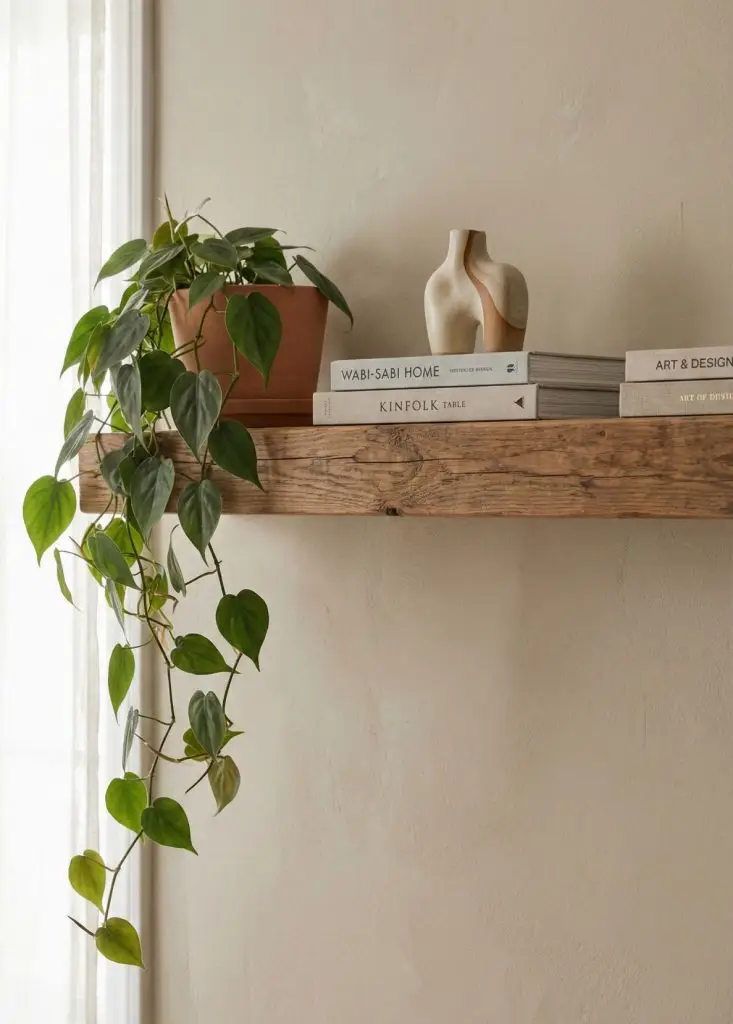
Living art needs dimension. A flat row of plants on a windowsill is fine, but a height mix looks styled.
Easy ways to create height:
- Put one plant on a stand
- Stack 1–2 hardcover books under a pot (use a saucer!)
- Add a floating shelf or wall ledge
- Hang a trailing plant in a corner to draw the eye upward
A simple rule: group plants in odd numbers (3 or 5), and vary height by at least a few inches so the arrangement feels dynamic.
5) Create “plant vignettes” (mini scenes)
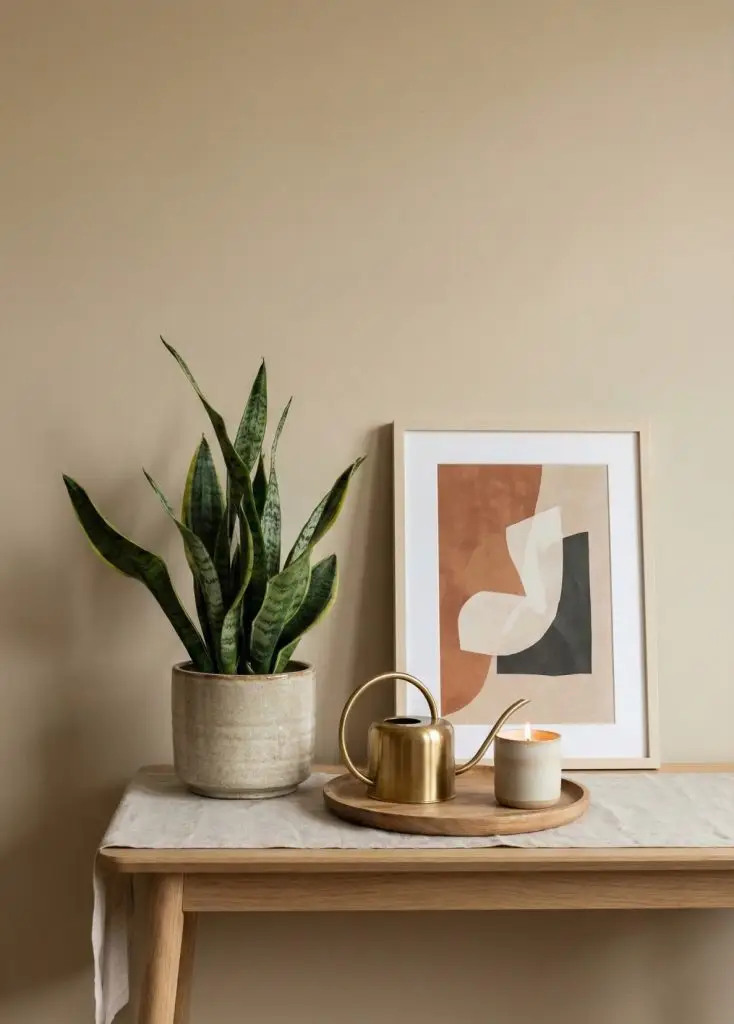
A single plant can be cute, but a plant vignette tells a story. Pick a surface—a console table, bookshelf, bar cart, or bathroom counter—and style a small scene:
- One plant (the hero)
- One functional item (tray, watering can, candle)
- One texture element (book, small sculpture, framed print)
Keep it edited. The goal is “gallery corner,” not jungle clutter.
6) Train and shape your plants
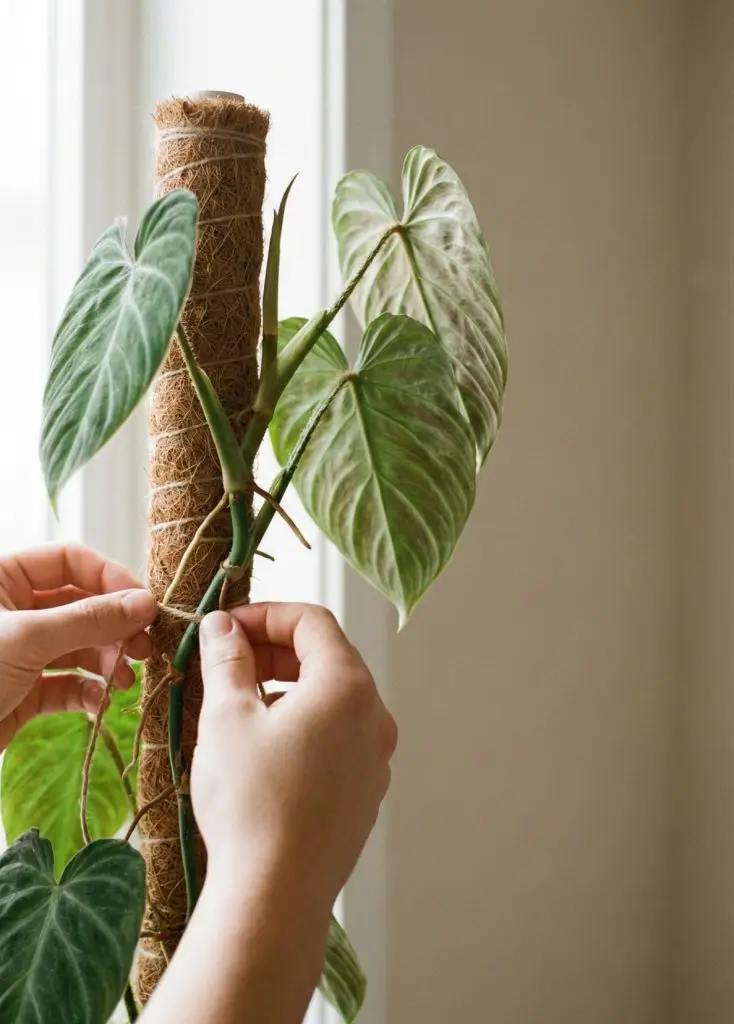
This is where plants truly become “living art.” Many houseplants can be guided into shapes and directions.
- Use a moss pole for climbing plants (monstera, philodendron)
- Use a trellis for hoya or jasmine (bright window lovers)
- Prune to encourage a fuller, sculptural form
- Rotate pots weekly so growth stays balanced
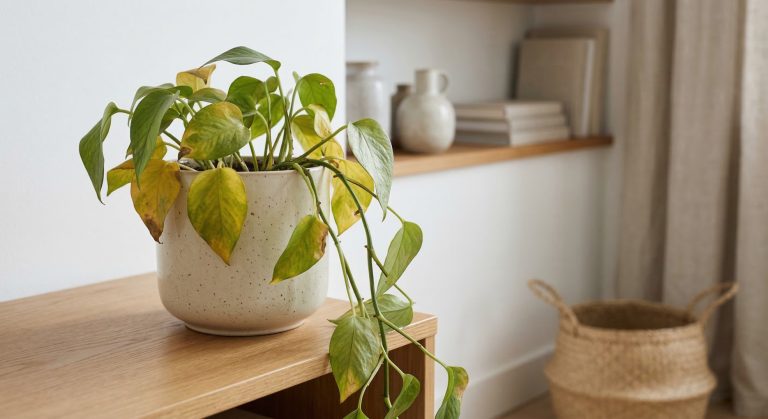
A trained pothos cascading from a shelf, or a climbing philodendron hugging a pole, looks purposeful—like an artwork that changes over time.
7) Light it like a display
Lighting is the difference between “plant” and “plant exhibit.” If natural light is limited, a grow light can double as design lighting.
Ideas:
- Clip-on grow lights for shelves
- A stylish floor lamp near a statement plant
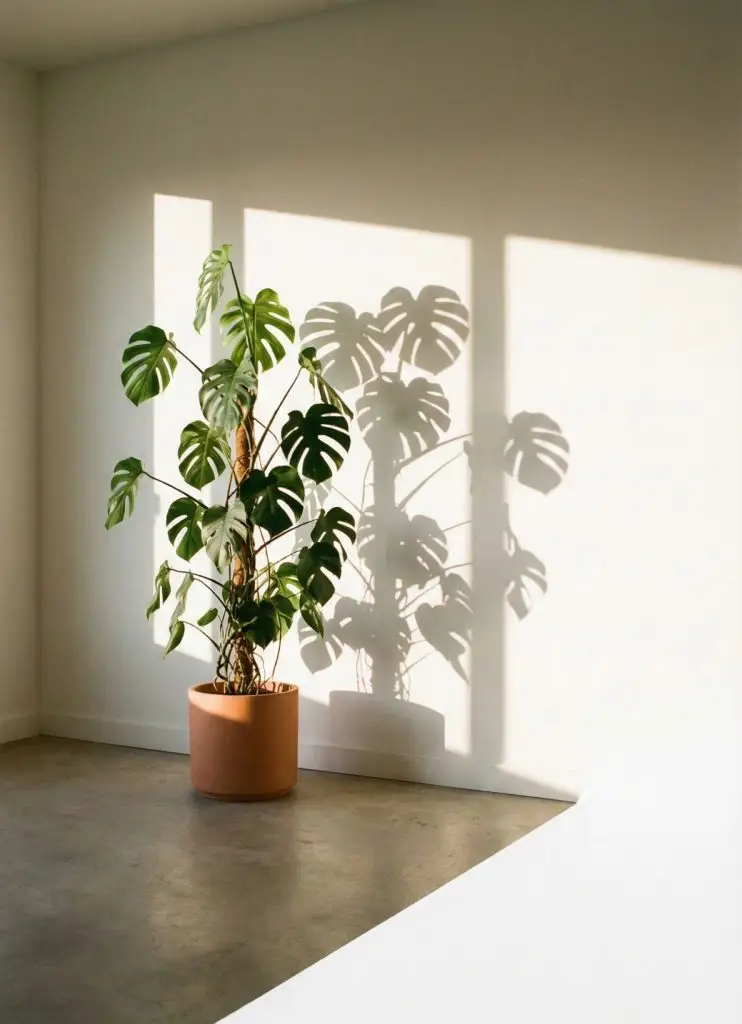
- Warm accent lighting behind a plant to highlight leaf shadows
Even a small spotlight effect can make leaves cast beautiful, dramatic shapes on the wall—literally living art.
8) Match plants to your color palette
You don’t need a rainbow of pots and leaves. Try matching your plant styling to your room’s palette:
- Neutral room? Use green + terracotta + warm wood.
- Black/white room? Use monochrome planters and bold-leaf plants.
- Coastal room? Use woven textures and airy palms.
When your plants “belong” to the room’s colors and materials, they look curated instead of random.
Final touch: make it easy to maintain
Art is only art if it stays alive. Choose plants that fit your lifestyle and light. Low-maintenance favorites: pothos, snake plant, ZZ plant, spider plant, peace lily (if you’ll keep it watered), and many philodendrons.
Start small: pick one corner and style it beautifully. Once you see how much it elevates the space, you’ll want to do it everywhere.