Signs Your Indoor Plant Is Unhealthy (And How to Fix It)
Introduction
You do not need to be a plant expert to notice when something feels off with your favorite houseplant. Maybe the leaves are turning yellow, the stems look limp, or the soil stays soggy for days. Sometimes the warning signs are subtle at first. Other times, an unhealthy indoor plant seems to decline overnight.
The good news is that most houseplant problems can be fixed when you catch them early. Indoor plants are surprisingly resilient. They just need the right balance of light, water, humidity, temperature, and attention. A droopy pothos, a browning peace lily, or a fading monstera is often trying to tell you exactly what it needs.
In this guide, you will learn the most common plant dying signs, what they usually mean, and the practical steps you can take to help. Whether you are dealing with yellow leaves, root rot, pests, crispy edges, or slow growth, this article will help you diagnose the issue and understand how to save a dying plant before it is too late.
And if you want your plants to do more than just survive, you might also enjoy How to Turn Your Indoor Plants into Living Artand 8 Smart Ways to Bring More Natural Light Into a Dark Room (Without Renovation) for styling and light-boosting ideas that support healthier growth.
1. Yellow Leaves Are Often the First Red Flag
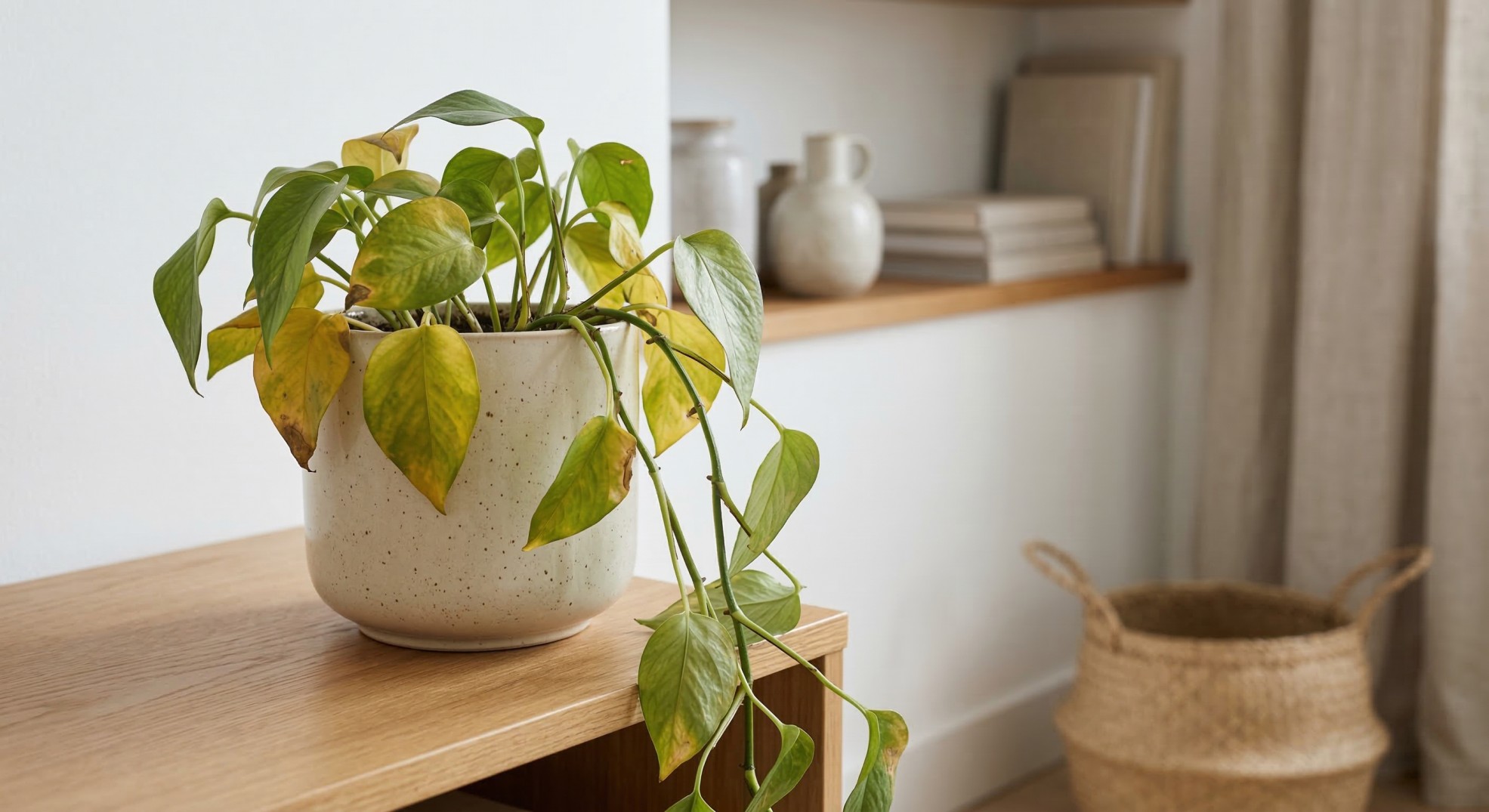
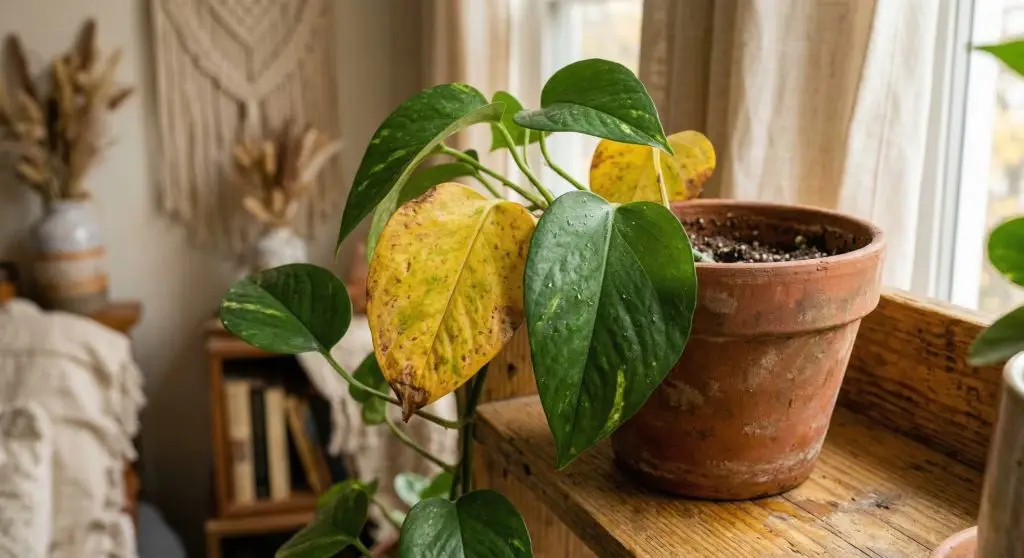
One of the most common signs of an unhealthy indoor plant is yellowing leaves. It is also one of the most misunderstood. Yellow leaves do not always mean the same thing, which is why plant owners often make the wrong fix and accidentally create more plant care problems.
If only one or two older leaves near the bottom of the plant are turning yellow, it may be part of the natural aging process. But if multiple leaves are yellowing at once, especially newer growth, something is wrong.
The most likely causes include overwatering, poor drainage, lack of light, nutrient imbalance, or sudden environmental stress. Plants kept in decorative pots without drainage holes are especially vulnerable. Excess water collects around the roots, cutting off oxygen and slowly damaging the plant from below the soil line.
How to fix it:
Check the soil before watering again. If it feels wet several inches down, stop watering and let it dry more thoroughly. Move the plant into brighter indirect light if it has been sitting in a dim corner. If the plant is root-bound or sitting in dense, compacted soil, repot it into a container with drainage and fresh potting mix.
Yellow leaves are not always a death sentence. They are often an early signal that your plant’s care routine needs adjustment.
2. Drooping Leaves and Limp Stems Mean Your Plant Is Stressed
A droopy plant usually looks dramatic, but the cause is not always serious. In many cases, drooping is your plant’s way of reacting quickly to stress. The tricky part is figuring out whether the stress comes from too little water or too much.
Underwatered plants often look dry, limp, and slightly wrinkled. Their soil pulls away from the edge of the pot and feels light when lifted. Overwatered plants can also droop, but the soil will feel heavy, wet, and sometimes smell musty. This is why watering by schedule instead of checking the soil often leads to trouble.
Temperature stress can also cause drooping. Plants placed near heaters, air conditioners, drafty windows, or frequently opened doors may struggle to maintain healthy structure. Some tropical varieties are particularly sensitive to sudden environmental changes.
How to fix it:
Feel the soil first. If it is bone dry, water deeply until excess water drains out. If it is soggy, let the soil dry before watering again and check the roots for rot if the problem continues. Move the plant away from vents and drafts. Then give it a few days to recover before making more changes.
If your plant perks up after proper watering, you likely caught the issue early.
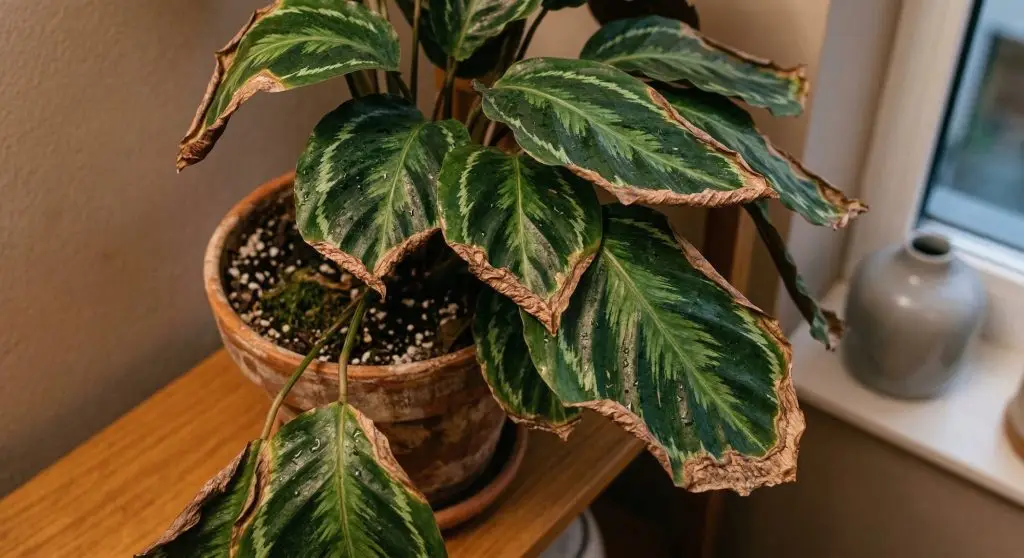
3. Brown Leaf Tips Usually Point to Dry Air or Water Stress
Brown tips are one of the most common houseplant problems, especially in homes with dry indoor air. This happens often during cooler months when heating systems reduce humidity levels.
Plants like calatheas, ferns, peace lilies, and some palms are especially prone to browning edges and tips. But humidity is not the only possible cause. Inconsistent watering, mineral-heavy tap water, fertilizer buildup, and root stress can all lead to crispy ends.
This is one of those plant dying signs that tends to creep in slowly. At first, the plant may still look mostly healthy, but over time the damage spreads and the leaves lose their lush appearance.
How to fix it:
Increase humidity with a humidifier, a pebble tray, or by grouping plants together. Water more consistently and avoid letting the plant swing between very dry and very wet soil. If you suspect mineral buildup, flush the soil thoroughly or use filtered water for sensitive species. Trim the brown tips with clean scissors for a neater look, but also solve the root issue behind the damage.
For homes with poor natural light and dry conditions, improving the room setup can make a major difference. That is where 8 Smart Ways to Bring More Natural Light Into a Dark Room (Without Renovation) can help support healthier plant growth.
4. Mushy Stems and Soggy Soil Can Mean Root Rot
If there is one issue that can quickly turn a struggling plant into a dying one, it is root rot. This problem usually starts below the surface, which makes it easy to miss until the damage is advanced. By the time leaves yellow, stems soften, or the plant collapses, the roots may already be in trouble.
Root rot happens when roots stay wet for too long and begin to decay. The soil may smell sour or swampy. Leaves may yellow and fall off. The base of the stem may feel soft. In severe cases, the roots turn brown or black instead of firm and white.
An unhealthy indoor plant with root rot needs fast action.
How to fix it:
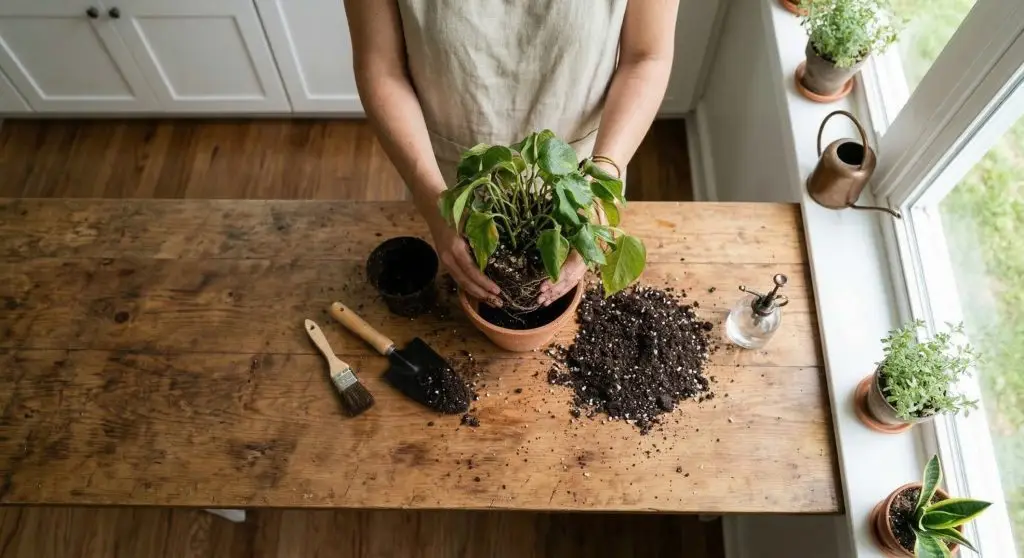
Remove the plant from its pot and inspect the roots. Trim away any mushy, dark, or foul-smelling roots with clean scissors. Repot the plant in fresh, well-draining mix and a pot with drainage holes. Water lightly after repotting, then wait until the top layer of soil dries before watering again.
Do not reuse old soggy soil. And do not rush to fertilize a recovering plant. Right now, it needs stability more than stimulation.
5. Pale Leaves and Slow Growth Often Mean Not Enough Light
Many plants do not die quickly in low light. They just decline slowly. That is why poor lighting is one of the most overlooked plant care problems. A plant may survive for months in the wrong spot, but survival is not the same as thriving.
If your plant has pale leaves, stretched stems, smaller new growth, or seems to stop growing entirely, inadequate light may be the reason. Variegated plants may lose their patterns. Flowering indoor plants may stop blooming. Succulents become especially leggy when they do not get enough sun.
A plant that is slowly reaching toward the nearest window is giving you a clear clue.
How to fix it:
Move the plant closer to a bright window based on its specific needs. Bright indirect light works well for many tropical houseplants, while succulents and cacti need stronger sun. Rotate the pot regularly so growth stays balanced. If your room lacks enough natural light, use a quality grow light.
And if you want to make your plants part of your decor while giving them better exposure, How to Turn Your Indoor Plants into Living Art offers creative ways to display them beautifully and practically.
6. Leaf Drop Means Something in the Environment Has Changed
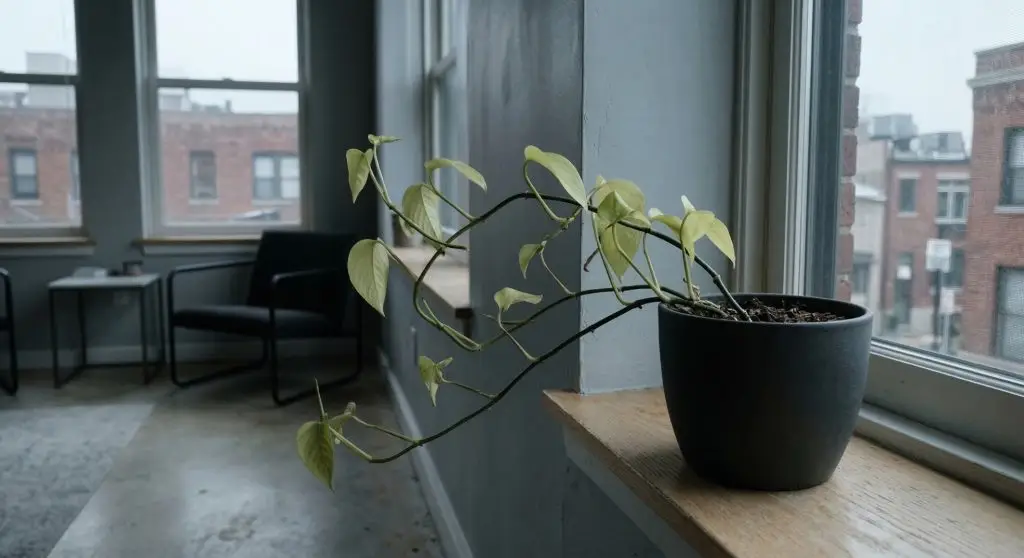
It can be alarming when your houseplant suddenly starts dropping leaves. Sometimes it happens after moving the plant, changing seasons, repotting, or shifting watering habits. Plants often react strongly to change, even when the change seems minor to us.
Ficus, rubber plants, crotons, and fiddle leaf figs are especially known for dropping leaves when stressed. This does not always mean the plant is dying. It can simply mean it is trying to adapt.
Still, excessive leaf drop is one of the clearest plant dying signs when combined with other symptoms like mushy roots, weak growth, or severe discoloration.
How to fix it:
Think back to what changed recently. Did you move the plant to a darker room? Did indoor heating kick on? Did you repot it? Return the care routine to a more stable pattern and avoid making multiple changes at once. Give the plant time to adjust. Most houseplants respond better to consistency than constant correction.
7. Spots, Sticky Leaves, and Tiny Webs Can Mean Pests
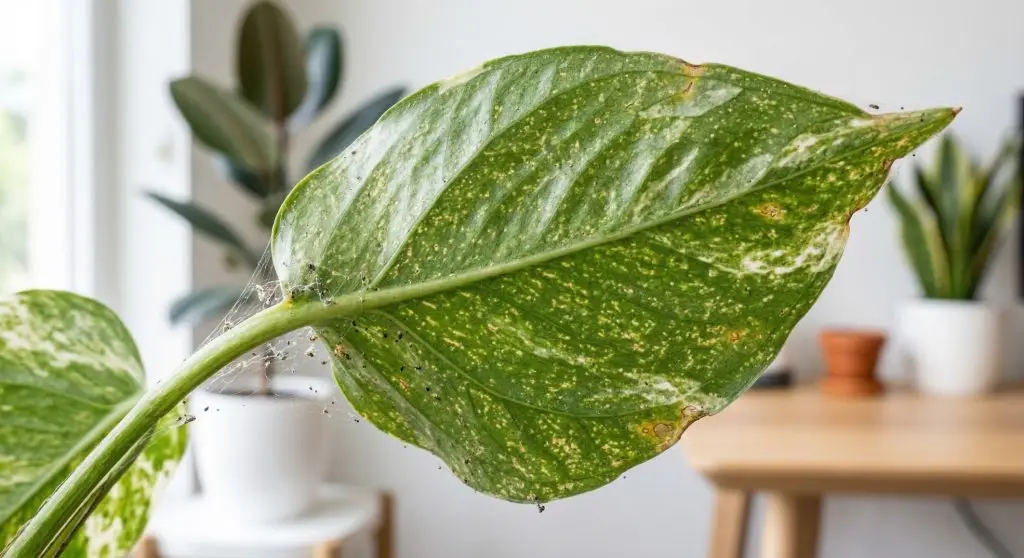
Some houseplant problems have nothing to do with watering or light. If your plant has speckled leaves, sticky residue, distorted growth, or tiny webs, pests may be the real issue.
Common indoor plant pests include spider mites, mealybugs, fungus gnats, scale, and aphids. These insects weaken plants by feeding on sap, damaging tissue, or breeding in consistently damp soil. A healthy-looking plant can decline surprisingly fast if an infestation is left untreated.
The earlier you catch pests, the easier they are to control.
How to fix it:
Inspect the undersides of leaves, stem joints, and the surface of the soil. Isolate the affected plant from others right away. Wipe leaves with a damp cloth, rinse the plant gently, and treat it with insecticidal soap or neem oil as appropriate. Repeat treatment regularly until the pests are gone.
Also check your watering routine. Overly wet soil often attracts fungus gnats, while dry stressed plants are more vulnerable to spider mites.
8. Wilting Despite Moist Soil Can Signal Deeper Root Trouble
A plant that wilts even though the soil is still moist can confuse beginners and experienced plant owners alike. Many assume the plant needs more water, but adding more can make the situation worse.
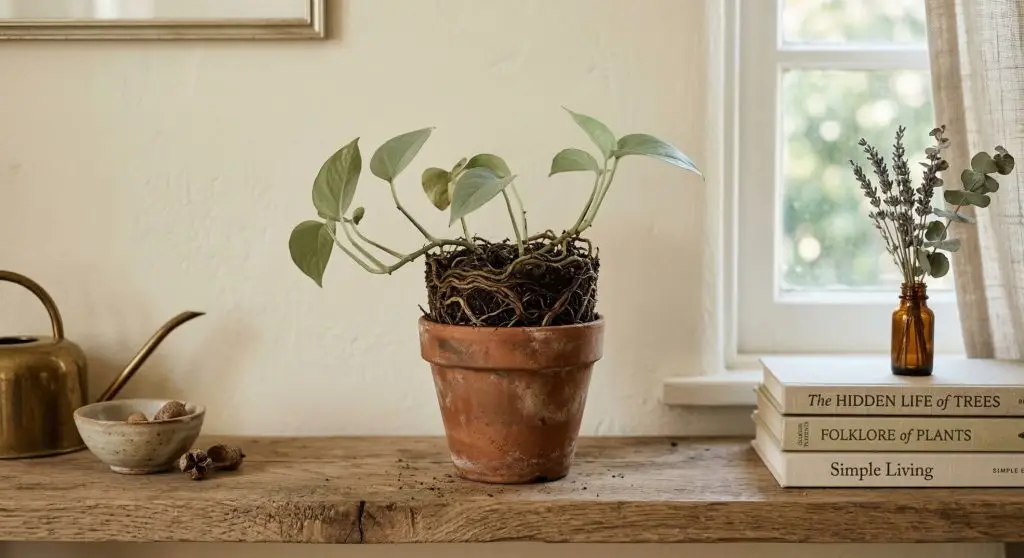
When roots are damaged, compacted, or rotting, they cannot absorb moisture properly. So the leaves wilt even while the soil remains damp. This is one of the clearest clues that the real issue is happening beneath the surface.
Another possibility is that the plant is severely root-bound. When roots circle tightly around the pot, water may run through too fast or fail to reach the root mass evenly.
How to fix it:
Slide the plant gently out of its pot and check the roots. If they are tightly wound, loosen them slightly and repot into a slightly larger container. If they are black and mushy, trim the damaged parts and repot into fresh soil. Choose a mix suited to the type of plant you have so roots get enough air as well as moisture.
This step is often the turning point when learning how to save a dying plant. The leaves show the symptoms, but the roots reveal the truth.
9. No New Growth Does Not Always Mean Dormancy
Sometimes a plant is not dramatic. It does not yellow or wilt. It just does nothing. Weeks go by and there are no new leaves, no visible root development, and no sign of energy. This kind of stagnation often points to mild but persistent stress.
Lack of growth can come from low light, depleted soil, cold temperatures, root crowding, or nutrient deficiency. During winter, many plants naturally slow down, but prolonged inactivity during the growing season deserves attention.
How to fix it:
Check the basics first. Is the plant getting enough light? Is it root-bound? Has it been in the same soil for years? A fresh potting mix can improve both drainage and access to nutrients. During active growth months, a balanced fertilizer used sparingly may help. Just avoid fertilizing a plant that is already stressed by overwatering or root issues.
Healthy plants may grow slowly, but they should usually show some signs of life over time.
A Dying Plant Can Recover if You Stop Guessing and Start Observing
When plant owners panic, they often do too much at once. They water more, move the plant, fertilize it, repot it, trim it, and mist it all in the same day. That usually creates even more confusion. The plant becomes harder to read because several variables changed at once.
The best way to respond to an unhealthy indoor plant is to slow down and observe carefully. Look at the leaves, stems, roots, soil texture, drainage, light exposure, room temperature, and humidity. One symptom on its own may not tell the full story, but several clues together usually point to the cause.
How to save a dying plant:
Start with this simple recovery plan:
- Remove dead or fully damaged foliage.
- Check the soil moisture before watering.
- Inspect roots if symptoms suggest overwatering or root crowding.
- Move the plant to appropriate light.
- Improve drainage and airflow.
- Watch for pests.
- Avoid fertilizer until the plant shows signs of recovery.
- Give it time and consistency.
Most plants do not bounce back overnight. New healthy growth is usually the best sign that your changes are working.
Prevention Is Easier Than Plant Rescue
Once you have dealt with enough houseplant problems, you start to notice a pattern: most plant decline begins with simple care imbalances that go unnoticed for too long. Prevention is less about perfection and more about attention.
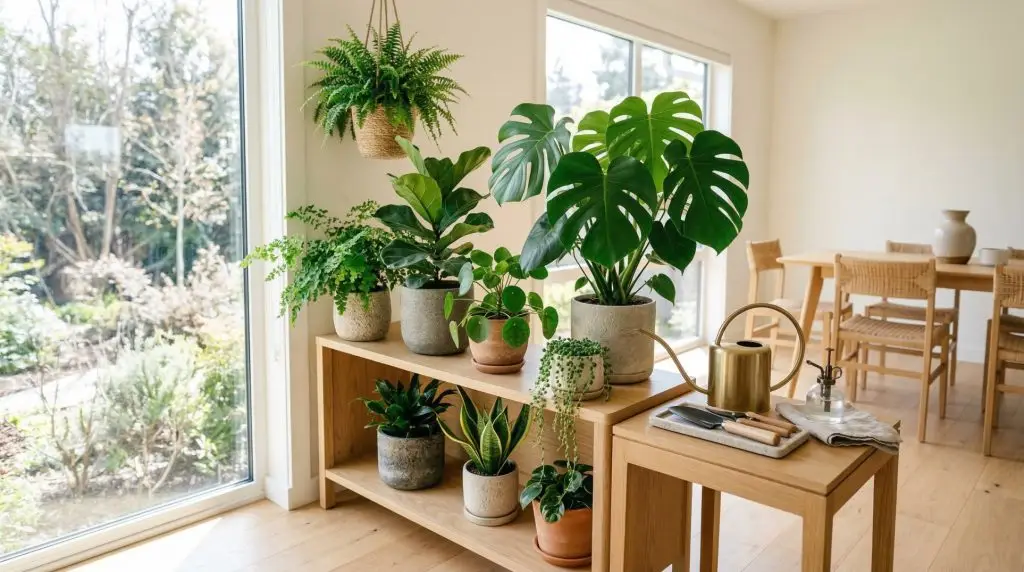
A healthy plant routine does not need to be complicated. You just need to understand the plant you own and check in regularly. Some like to dry out between waterings. Some need bright light all day. Others want higher humidity and stable warmth. The goal is not to memorize every plant rule. It is to respond to what your plant is actually showing you.
Healthy habits that prevent common plant care problems:
- Water based on soil dryness, not a rigid schedule
- Use pots with drainage
- Match the plant to the light you actually have
- Rotate the plant for even growth
- Wipe leaves occasionally so they can photosynthesize properly
- Inspect for pests before infestations spread
- Repot when roots outgrow the container
- Avoid extreme temperature swings
A little observation goes a long way. Plants often whisper before they scream.
When to Let Go and Start Again
Not every plant can be saved, and that is okay. Sometimes the roots are too far gone, the crown has rotted, or the stems are completely collapsed. That does not make you bad at plant care. It means you are learning.
In fact, one of the most useful things a lost plant can teach you is what not to repeat next time. Maybe the room was too dark. Maybe the pot had no drainage. Maybe the watering schedule did not match the season. Every struggling plant teaches you something about your home environment.
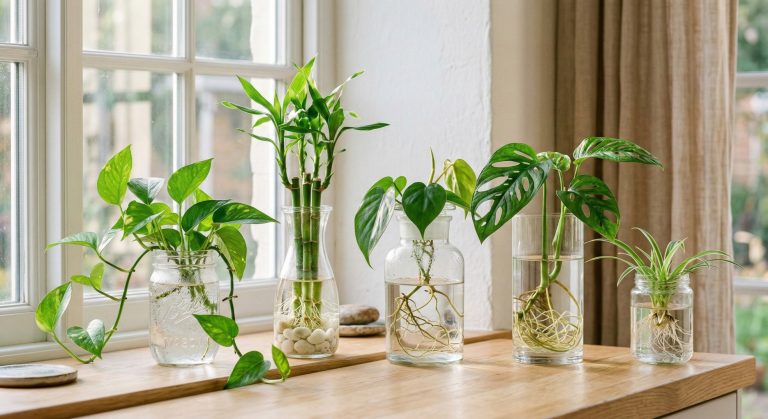
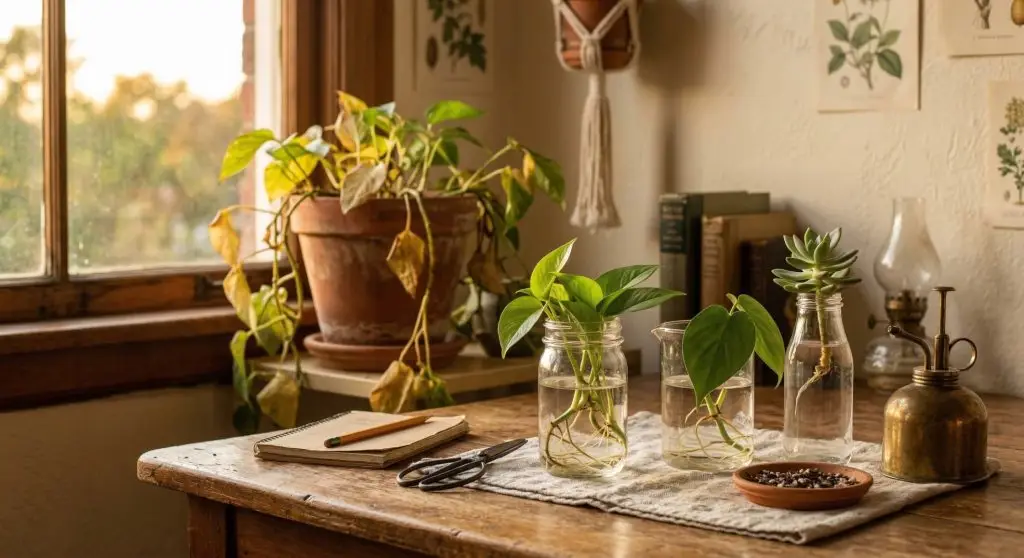
And sometimes, the best option is propagation. If the mother plant is failing but healthy cuttings remain, you may still be able to start over with stronger growth.
The point is not to keep every single plant alive forever. The point is to get better at understanding them.
FAQ: Signs of an Unhealthy Indoor Plant
How do I know if my indoor plant is unhealthy?
The most common signs include yellow leaves, drooping stems, brown tips, leaf drop, slow growth, soggy soil, mushy roots, and visible pest damage. A healthy plant usually shows steady growth, stable leaf color, and soil that dries at a normal pace.
What are the most common plant dying signs?
The most common plant dying signs are widespread yellowing, wilting that does not improve, black or mushy roots, stem rot, severe leaf drop, and no new growth for a long period. When several of these happen together, the plant is in serious stress.
Can an unhealthy indoor plant recover?
Yes, in many cases it can. Most houseplant problems are reversible if you catch them early. Correct watering, better light, fresh soil, pest control, and improved drainage can often help a struggling plant recover.
How do I save a dying plant fast?
Start by identifying the cause instead of treating everything at once. Check the soil, inspect the roots, look for pests, and review the plant’s light conditions. The fastest way to help is to fix the actual problem rather than guessing.
Should I cut off yellow or dead leaves?
Yes. Removing fully dead or badly damaged leaves helps the plant focus its energy on healthy growth. Use clean scissors and avoid removing too much healthy foliage at once.
Is overwatering worse than underwatering?
In many cases, yes. Underwatered plants often recover quickly once watered properly. Overwatered plants may develop root rot, which is harder to fix and can become fatal if left untreated.
Why is my plant drooping even after watering?
That may mean the plant was overwatered, the roots are damaged, or the soil is staying too wet. Wilting does not always mean thirst. Always check the soil and roots before watering again.
How often should I water indoor plants?
There is no one perfect schedule. It depends on the plant type, pot size, soil mix, season, humidity, and light levels. The best method is to check the soil and water when the plant actually needs it.
Conclusion
An unhealthy indoor plant usually tells you something is wrong long before it completely declines. Yellow leaves, drooping stems, brown tips, leaf drop, slow growth, and root issues are all signs worth paying attention to.
The key is not to panic. It is to observe carefully, look for patterns, and fix the real cause. Once you understand the most common plant dying signs, it becomes much easier to deal with everyday plant care problems and learn how to save a dying plant with confidence.
Indoor plant care gets easier with experience. The more you watch your plants closely, the more clearly they communicate what they need.
For more inspiration, read How to Turn Your Indoor Plants into Living Artand 8 Smart Ways to Bring More Natural Light Into a Dark Room (Without Renovation).