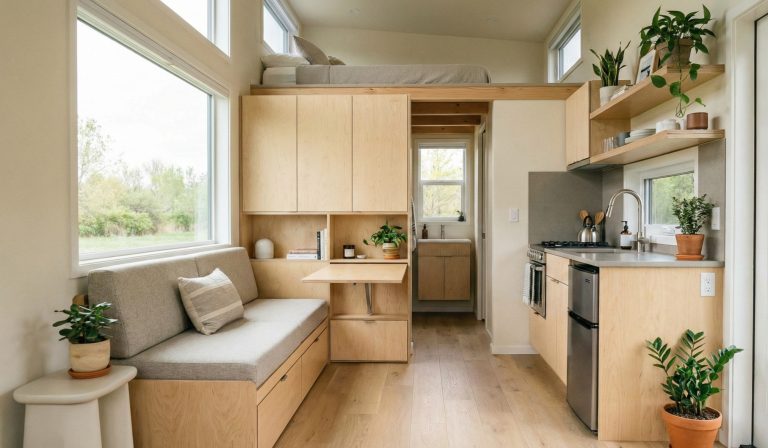
8 Smart Ways to Bring More Natural Light Into a Dark Room (Without Renovation)
Introduction
Dark rooms can make even a beautiful home feel smaller, colder, and a little uninspiring. You walk in during the day, switch on a lamp, and wonder why the space still feels flat. The frustrating part is that most people assume the only fix is expensive: bigger windows, structural changes, or a full remodel.
The good news is that you do not need to knock down walls or start a renovation project to make a room feel brighter. A few smart styling decisions can completely change how daylight moves through a space. The trick is not creating more sunlight, but helping the light you already have travel further, bounce better, and feel softer.
In this guide, you will find eight practical ways to bring more natural light into a dark room without renovation. These ideas are affordable, renter-friendly in many cases, and easy to apply whether you are styling a living room, bedroom, hallway, or small apartment. And while this post focuses on daylight, you can also pair these ideas with warm evening ambiance using Soft Lighting Ideas That Instantly Change Your Home.
Why Natural Light Matters More Than You Think
Natural light does more than brighten a room. It makes colors look cleaner, surfaces feel fresher, and spaces appear more open. It can also make your home feel more welcoming in listing photos, guest visits, and everyday life.
If your room feels dark, it is often not because there is no light at all. More often, the problem is that heavy materials, poor furniture placement, dull finishes, and visual clutter are absorbing the little daylight that comes in.
That is exactly why these simple fixes work.
1. Swap Heavy Curtains for Sheer or Light-Filtering Panels
One of the fastest ways to brighten a dark room is to rethink your window treatments. Thick blackout curtains, dark drapes, and layered window coverings can block a surprising amount of daylight, even when they are open.
Description
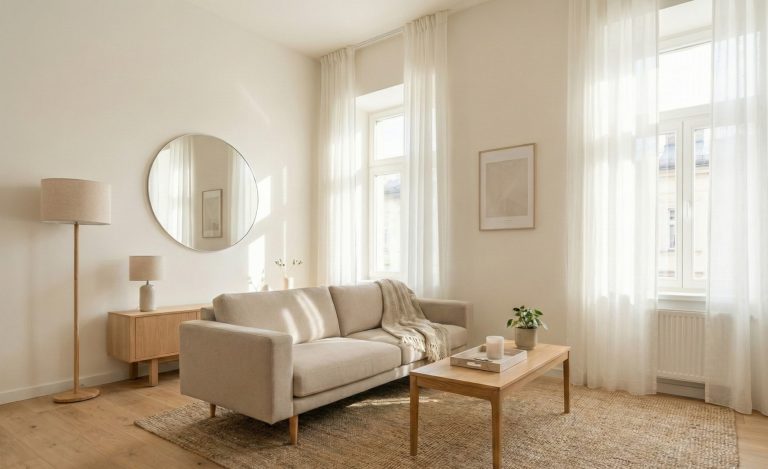
Replace heavy curtains with sheer white, ivory, or light beige panels that allow sunlight to pass through while still softening glare. If privacy is a concern, light-filtering curtains or linen-look panels are a great middle ground.
Why it works
Natural light needs a clear path. The less fabric density around your windows, the more daylight can enter and spread through the room.
Benefit
The space instantly feels airier, cleaner, and more open without changing anything structural.
Extra tip
Hang your curtain rod higher and wider than the actual window frame. This makes the window look larger and lets you pull the curtains fully aside, exposing more glass during the day.
2. Use Mirrors to Reflect Daylight Around the Room
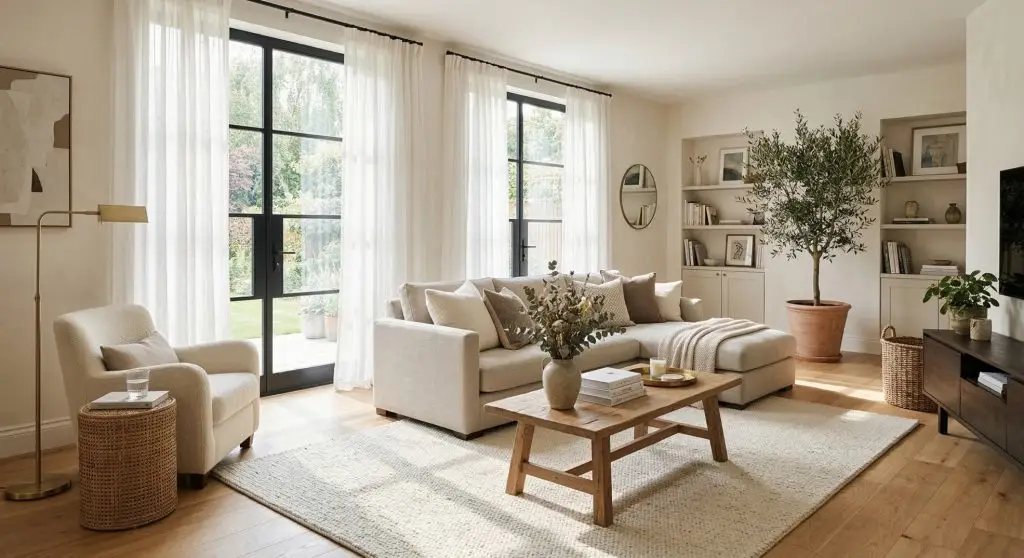
If there is one classic trick that genuinely works, it is mirrors. A well-placed mirror can double the visual effect of the light already coming in through a window.
Description
Place a large mirror opposite or adjacent to a window so it catches daylight and reflects it deeper into the room. You can also layer smaller mirrors across a gallery wall if that suits your style better.
Why it works
Mirrors do not just decorate a room, they redistribute brightness. They make dark corners feel less closed in and help the entire space feel more balanced.
Benefit
The room appears brighter and often larger at the same time.
Extra tip
Choose mirrors with slim metallic, white, or natural wood frames instead of heavy dark frames if your main goal is to lighten the space visually.
3. Choose Lighter Wall Colors and Soft Finishes
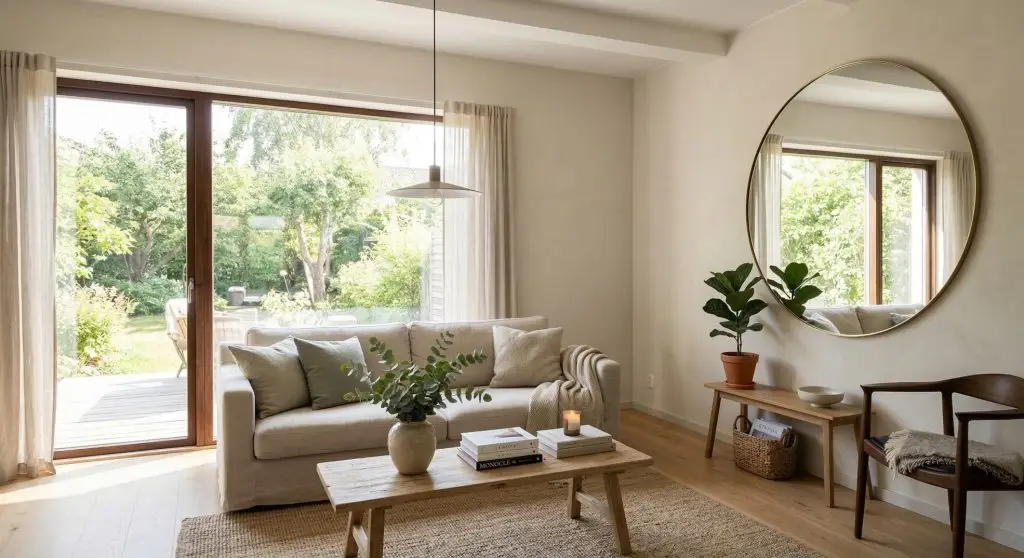
You do not need to renovate, but paint can still be one of the highest-impact changes if you are open to it. Dark paint colors absorb light, while lighter tones help reflect it.
Description
Opt for shades like warm white, soft cream, pale greige, light taupe, or muted pastel tones. Stick with finishes that softly reflect light, such as eggshell or satin, instead of very flat, light-absorbing surfaces.
Why it works
Every wall acts like a surface that either absorbs or bounces daylight. The lighter the wall, the more it helps move brightness around the room.
Benefit
The room looks more open, cleaner, and naturally illuminated all day long.
Extra tip
Avoid stark, icy whites if your room gets limited sunlight. Slightly warm whites usually feel more inviting and less clinical.
4. Clear the Area Around Your Windows
Sometimes the problem is not the light source. It is what is sitting in front of it.
Description
Look at what is blocking your windows: tall shelving, bulky armchairs, dense plants, dark cabinets, or decorative clutter. Moving even one or two large pieces away from the window can make a visible difference.
Why it works
Sunlight needs physical space to enter the room. Obstructions break that path and create shadows before the light has a chance to spread.
Benefit
You get more usable daylight without buying anything new.
Extra tip
Keep window sills lightly styled. A small plant or candle is fine, but avoid crowding the area with stacked decor pieces that interrupt light flow.
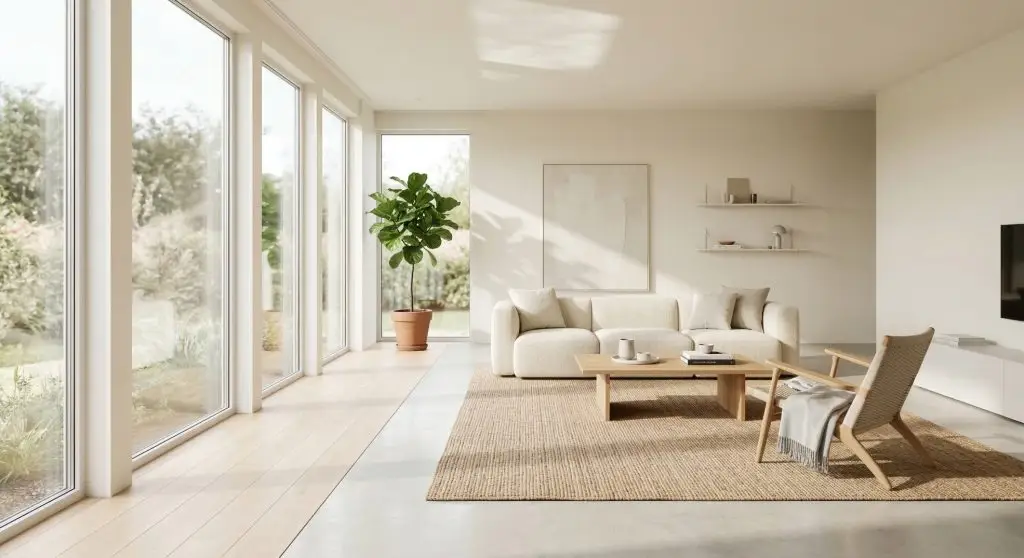
5. Decorate With Reflective and Light-Friendly Materials
The finishes you choose matter more than most people realize. Matte dark fabrics, bulky textures, and deep-toned furniture absorb light. Reflective and lighter materials help give it back.
Description
Bring in glass, light wood, metallic accents, glossy ceramics, and pale textiles. Think mirrored trays, glass-top tables, linen cushions, light oak finishes, or cream-colored throws.
Why it works
These materials catch available daylight and spread it softly across the room instead of swallowing it.
Benefit
The room feels brighter without losing warmth or personality.
Extra tip
You do not need everything to match. A few reflective accents layered into your existing decor can be enough to lift the room visually.
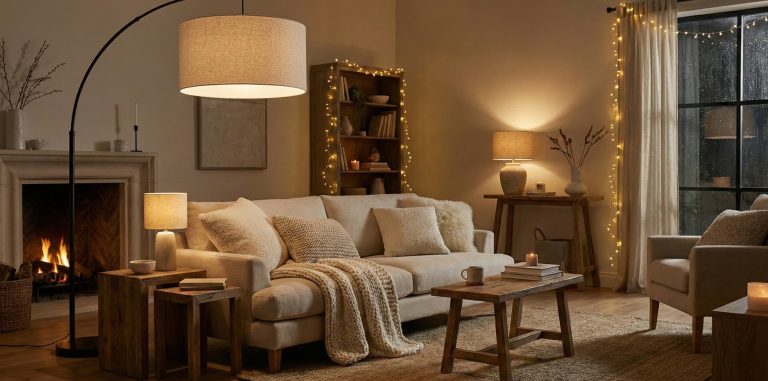
This is also where artificial lighting can complement your daytime setup. Once the sun goes down, pairing reflective surfaces with warm layered lamps can keep the room feeling inviting. For inspiration, read Soft Lighting Ideas That Instantly Change Your Home.
6. Replace Dark Rugs and Heavy Textiles
Floors and fabrics are often overlooked when people try to brighten a room. But a dark rug can visually anchor a space in a way that makes everything feel dimmer.
Description
Swap deep-toned rugs, thick dark blankets, and heavy upholstery for lighter options such as beige, soft gray, ivory, oat, or faded patterns. You do not need an all-white room, just more balance.
Why it works
Large textile surfaces take up a lot of visual space. When they are lighter, they reflect more brightness and help a room feel less weighed down.
Benefit
The whole room starts to feel fresher and more open, even if the amount of actual sunlight has not changed.
Extra tip
If replacing a full rug is not in the budget, layer a smaller light-toned rug on top of a darker neutral one to lift the overall look.
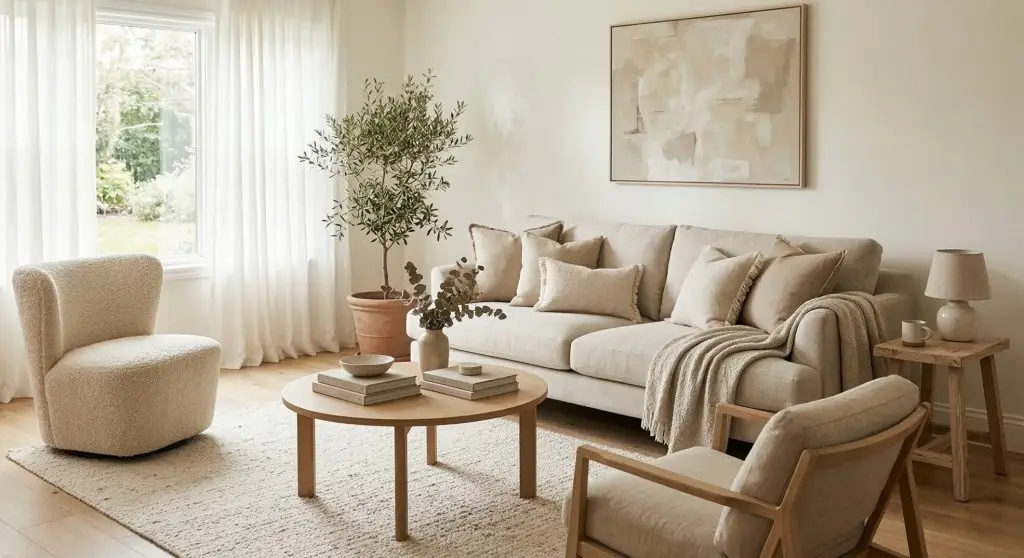
7. Keep Surfaces Clean, Simple, and Uncluttered
A cluttered room often feels darker because too many objects create visual noise and shadow. Even when a room has decent daylight, clutter can make it look dim and cramped.
Description
Edit your shelves, side tables, and corners. Remove anything that feels visually heavy or unnecessary. Focus on a few intentional decor pieces instead of lots of small items competing for attention.
Why it works
Cleaner surfaces allow light to travel more freely and help your eye read the room as brighter and calmer.
Benefit
The room feels lighter, more peaceful, and easier to enjoy.
Extra tip
Use trays, baskets, or closed storage to keep essentials nearby without making the room look busy.
8. Add the Right Houseplants Without Blocking the Light
Plants can absolutely make a room feel more alive and fresh, but in a dark room, placement matters. Oversized plants in front of windows can block the very thing you are trying to increase.
Description
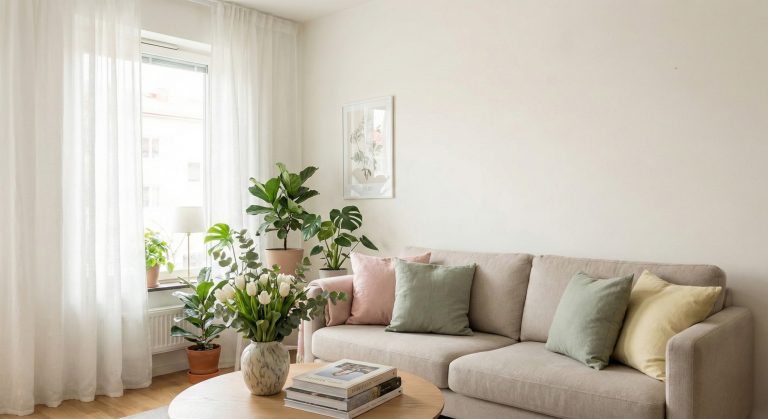
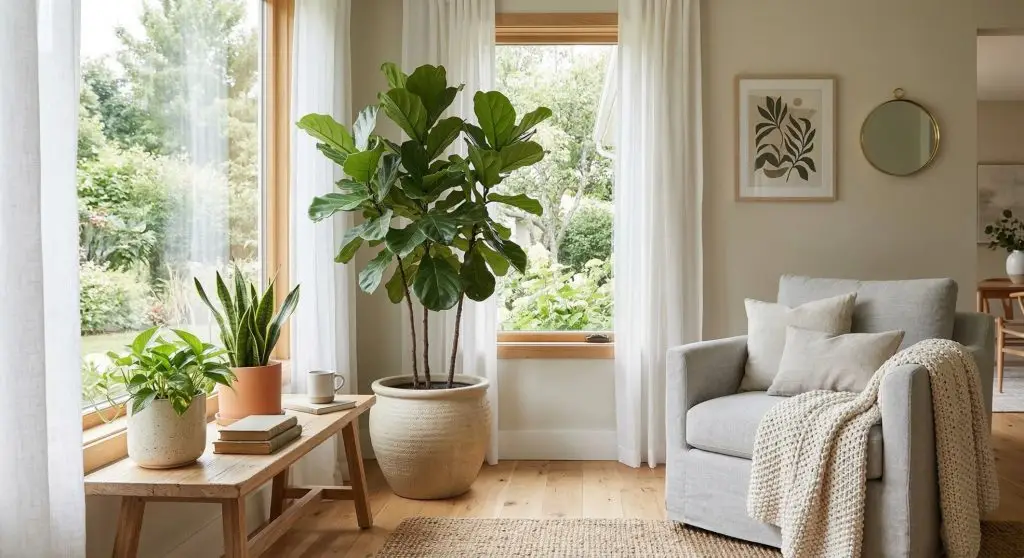
Choose plants with lighter, more open silhouettes and place them beside windows instead of directly in front of them. Hanging planters, narrow plant stands, or corner placement often work better than crowding the sill.
Why it works
Plants soften a room and create a healthy, lived-in look, but when placed strategically, they do that without cutting off daylight.
Benefit
You keep the cozy, organic feel of greenery while preserving brightness.
Extra tip
Go for pots in white, sandstone, terracotta, or soft neutral finishes to keep the look visually light.
Bonus Idea: Use Glass or Open Furniture Instead of Bulky Pieces
If a room feels heavy, some of that darkness may actually be visual weight, not just lack of light.
Description
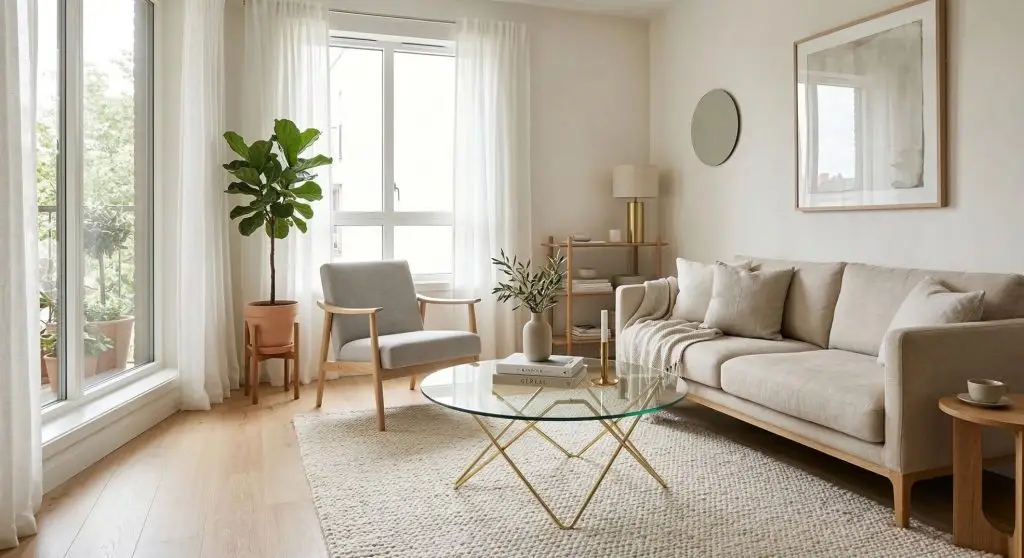
Consider swapping one or two bulky furniture pieces for open-leg furniture, glass-top tables, acrylic accents, or slimmer silhouettes.
Why it works
Open furniture allows the eye to move through the room more easily, which makes the space feel brighter and less crowded.
Benefit
Even small rooms instantly feel less boxed in.
Extra tip
You do not have to replace everything. One visual “breathing space” piece, like a glass coffee table or open console, can make a bigger difference than expected.
Frequently Asked Questions
Still wondering how to make a dark room feel brighter? These frequently asked questions cover the most common natural light concerns homeowners have.
How can I brighten a dark room without renovating?
You can brighten a dark room without renovation by using sheer curtains, placing mirrors across from windows, choosing lighter wall colors, removing furniture that blocks sunlight, and decorating with reflective materials like glass, light wood, and metallic accents. Even small changes can help natural light travel farther through the space.
What colors make a dark room look brighter?
Soft whites, warm cream, pale beige, light greige, and muted pastel tones usually make a dark room look brighter. These shades reflect more light than deep or heavily saturated colors, helping the room feel more open and airy.
Do mirrors really make a room brighter?
Yes, mirrors can make a room feel brighter by reflecting daylight into darker corners. When placed opposite or near a window, they help distribute natural light more evenly and can also make the room appear larger.
What kind of curtains are best for natural light?
Sheer curtains and light-filtering panels are usually the best choice for maximizing natural light while still offering some privacy. Heavy blackout curtains tend to block too much daylight and can make a room feel darker during the day.
Can furniture placement affect natural light in a room?
Yes, furniture placement makes a big difference. Large pieces placed too close to windows can block daylight before it spreads through the room. Moving bulky furniture away from windows often helps the entire space feel brighter.
How do I make a small dark room look bigger and brighter?
To make a small dark room look bigger and brighter, use mirrors, keep the layout open, choose light-colored textiles, reduce clutter, and use furniture with slimmer or open designs. These changes help the room feel less closed in and more visually spacious.
Are houseplants good for dark rooms?
Houseplants can work well in dark rooms as long as they do not block the window. Place them beside the light source instead of directly in front of it, and choose airy plant shapes or smaller pots to keep the room feeling open.
Can rugs and textiles make a room feel darker?
Yes, dark rugs, heavy blankets, and deep-toned upholstery can absorb light and make a room feel heavier. Swapping them for lighter fabrics and softer tones can make the space feel brighter and fresher.
Is natural light better than artificial light for making a room feel open?
Natural light usually makes a room feel more spacious, fresh, and inviting because it reveals colors and textures more naturally. Artificial lighting is still important, especially in the evening, but daylight often has the strongest effect on how open a room feels.
What is the easiest way to add more natural light to a room?
The easiest starting point is usually changing your curtains and clearing anything blocking the windows. These are simple, low-cost changes that can instantly improve how much daylight enters the room.
Final Thoughts
A dark room does not always need a dramatic fix. More often, it needs a smarter one. When you let in more daylight, reflect it with the right surfaces, remove visual heaviness, and style with intention, a room can feel completely transformed without renovation.
The best part is that these ideas work together. Sheer curtains, a mirror, lighter textiles, and better furniture placement can create a noticeable difference in a single weekend. You are not chasing perfection here. You are simply helping your home use light better.
And once your room feels brighter by day, you can make it feel just as welcoming at night with layered lamps and cozy fixtures. That is where Soft Lighting Ideas That Instantly Change Your Home fits in beautifully as a natural next read.
Which idea would you try first?
Start with the easiest one in your space today. Sometimes moving a chair, changing a curtain panel, or adding a mirror is enough to shift the whole mood of a room.