10 Beautiful Indoor Plants in Water for Glass Vases + Jars (Simple & Aesthetic)
In this post you’ll get 10 stunning indoor plants that look beautiful growing in water, a simple step-by-step setup to keep them healthy (no slime, no smell), and styling ideas that make your jars look like effortless decor—like you meant to do it.
Quick wins (do these today and your jars instantly look prettier)
- Use clear glass so roots become part of the decor
- Keep every leaf above the waterline (this prevents most rot)
- Choose bright, indirect light near a window
- Change water every 7–10 days for clean, fresh roots
- Rinse the jar when you refill (clear glass = clean look)
- Add pebbles to stabilize tall stems and make it look elevated
- If algae appears, try amber glass or wrap the jar to block light
- Don’t overcrowd—one statement cutting often looks more “designer”
- Trim any root that turns soft or dark, then refresh the water
- Group vases in 3s or 5s on a tray
Step-by-step: how to grow indoor plants in water
Step 1: Pick a vase or jar that flatters the plant
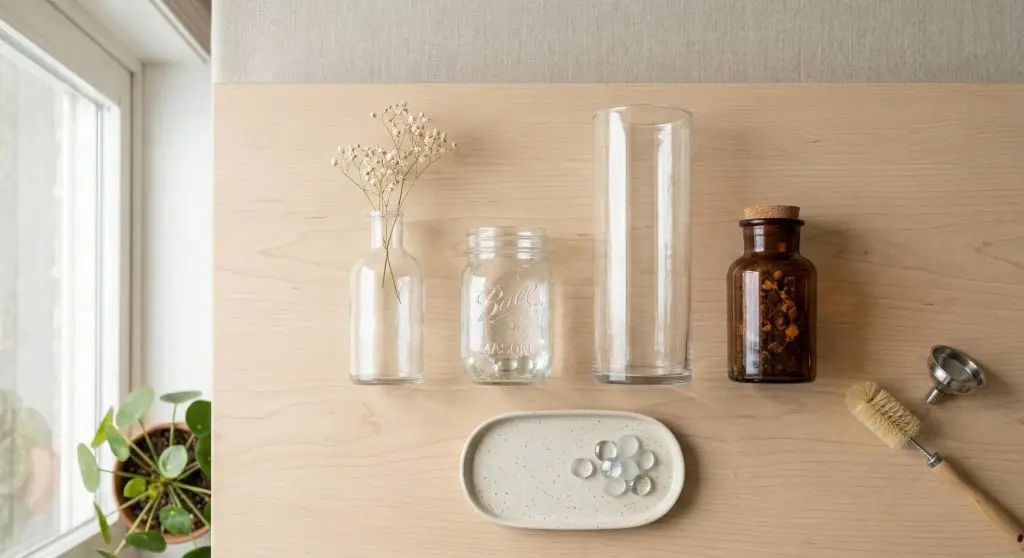
The container is half the vibe. Narrow necks hold stems upright. Wide jars let thick roots spread. Matching glass makes the setup look calm and intentional.
Step 2: Fill with water that keeps leaves looking fresh
Tap water works for many homes, but if you notice browning tips or mineral buildup, try filtered water. Room-temperature water is the easiest “upgrade” that plants respond to quickly.
Step 3: Prep your plant so it stays crisp (not soggy)
If you’re using a cutting, look for a node—the little bump where roots want to grow. Make a clean cut just below it, and remove any leaves that would sit under water.
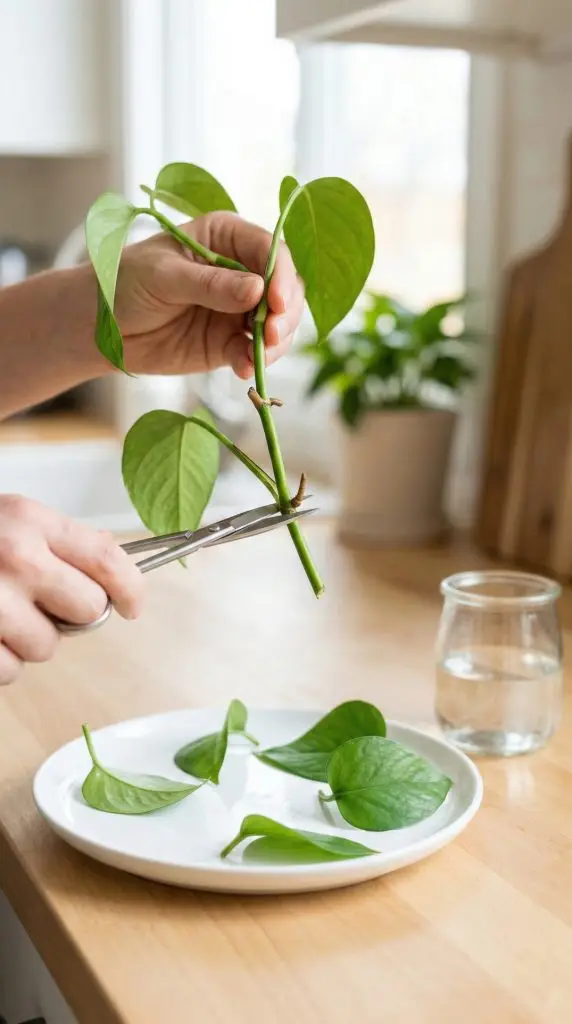
Step 4: Place it in water (node in, leaves out)
Put the node under water, keep leaves dry, and make sure the cutting isn’t crammed in. If the stem leans, add a few pebbles to hold it upright.
Step 5: Put it in the “sweet spot” for light
Bright, indirect light is perfect. Harsh direct sun can warm the water and invite algae, while low light can slow growth and dull the look.
Step 6: The 5-minute weekly reset (your secret weapon)
Once a week (or every 7–10 days): pour out old water, rinse the jar, refill, wipe the glass. Your setup stays clean, your roots stay healthy, and your display keeps that fresh, styled look.
The 10 most beautiful indoor plants to grow in water (vase + jar friendly)
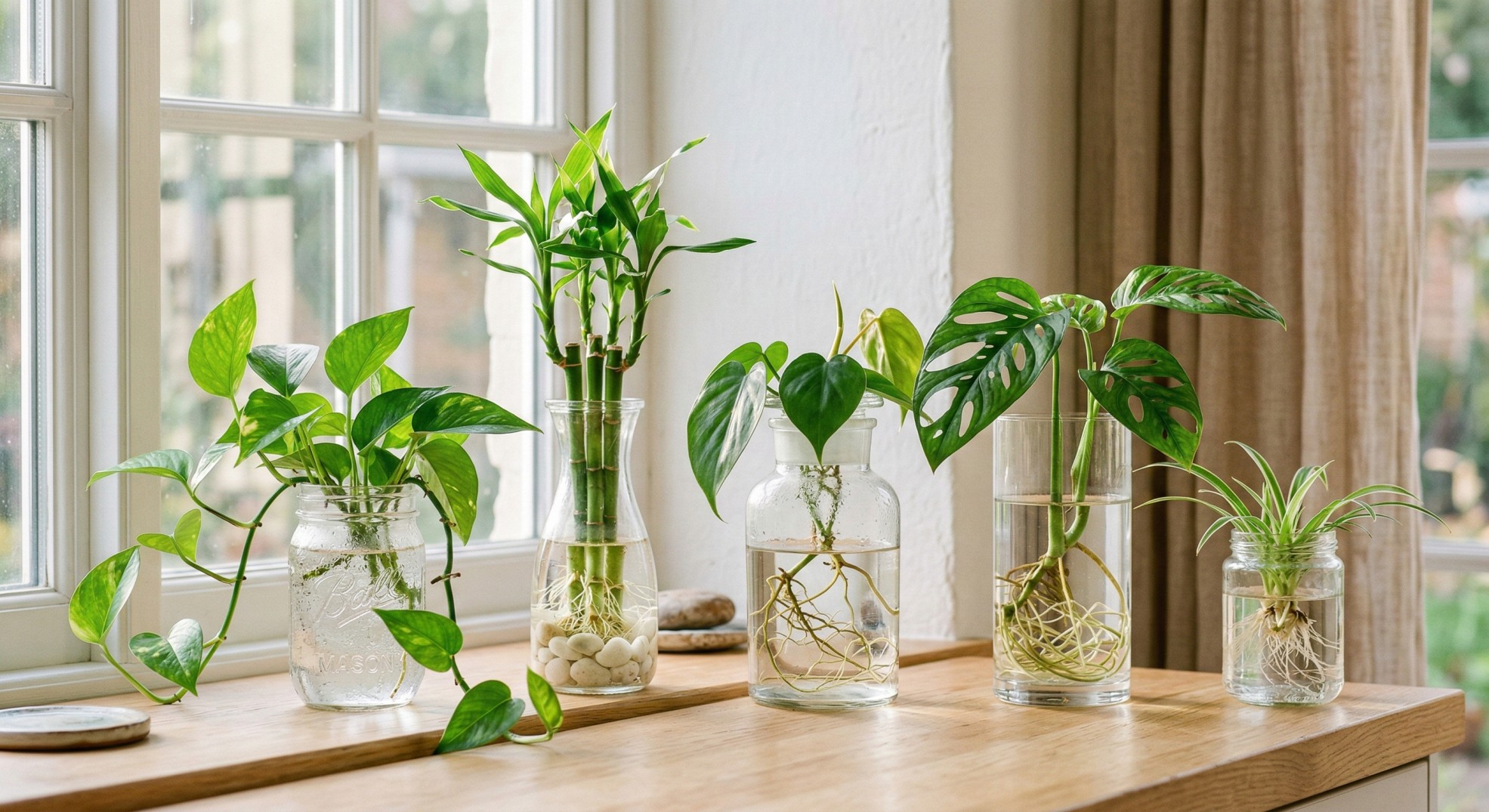
1) Pothos (Epipremnum aureum)
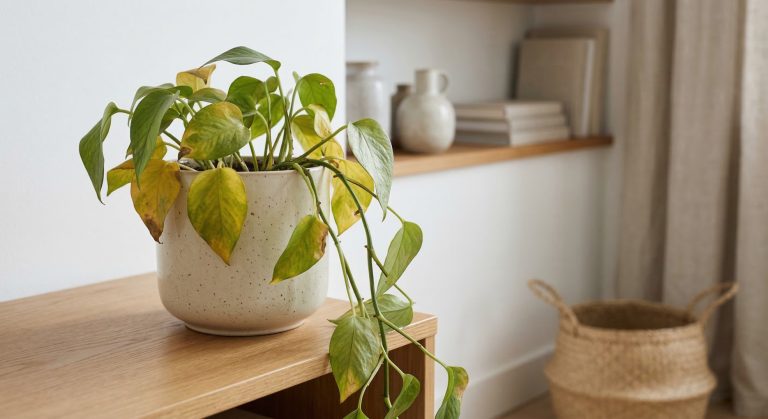
Pothos is the “always looks good” plant. It trails beautifully, roots easily, and makes even a basic jar look like decor.
2) Heartleaf Philodendron (Philodendron hederaceum)
Soft heart-shaped leaves bring a cozy vibe and look especially pretty in simple clear glass.
3) Lucky Bamboo (Dracaena sanderiana)
Clean lines, low maintenance, and instantly aesthetic—especially with smooth white pebbles.
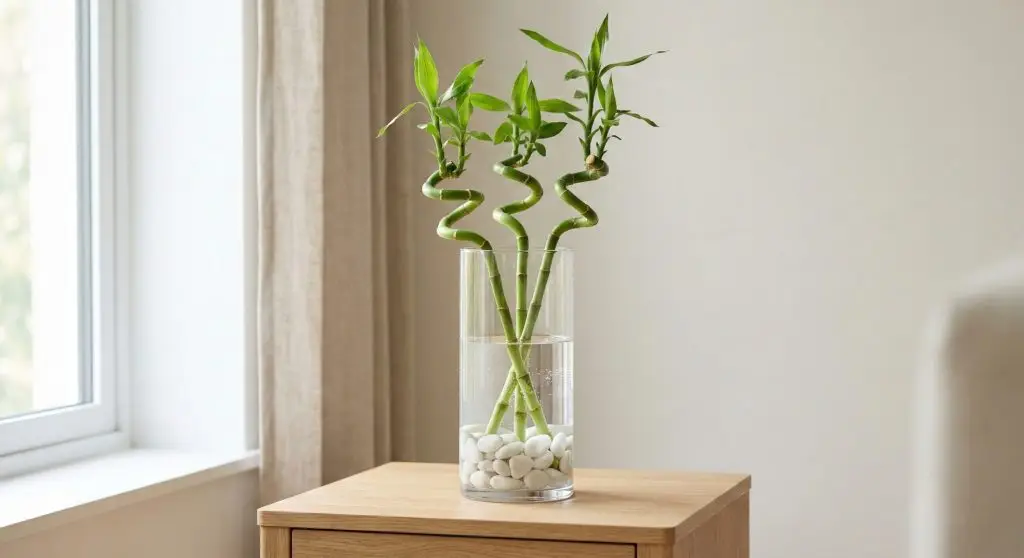
4) Spider Plant Babies (Chlorophytum comosum pups)
Tiny jars + spider plant pups = instant charm. They’re beginner-friendly and look adorable lined up on a shelf.
5) Monstera (young cutting)
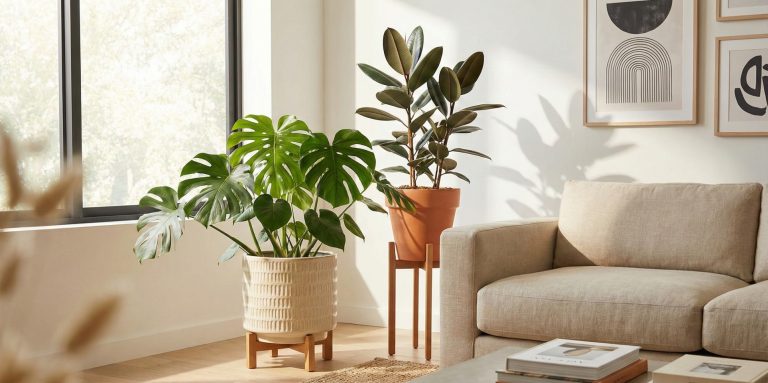
A monstera cutting in a big glass vase looks bold and sculptural, especially when the roots start to fill out.
6) Syngonium (Arrowhead Plant)
Arrowhead plants add variety in leaf shape, and pink or variegated types pop beautifully in glass.
7) Tradescantia (Wandering Dude / Inch Plant)
Fast-growing and colorful, tradescantia trails over jar edges in a way that looks made for Pinterest.
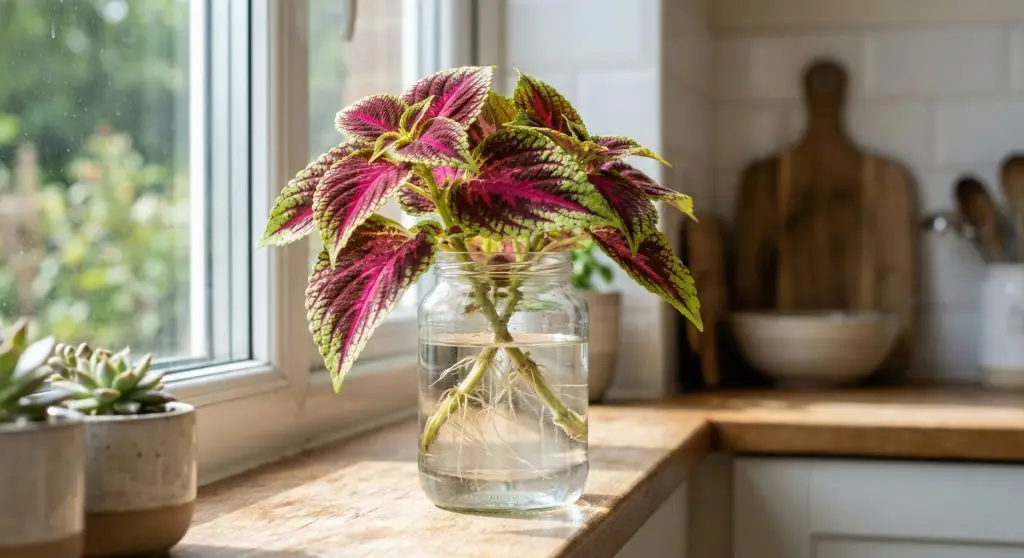
8) Coleus
Coleus brings serious color. One jar on a bright windowsill can look like living artwork.
9) Peace Lily (water culture style)
Peace lilies can transition to water culture for a dramatic root display—more delicate than pothos, but stunning when stable.
10) Chinese Evergreen (Aglaonema) — water display (best for careful monitoring)
Some varieties can work in water as a decor display. Keep water extra fresh and watch stems closely.
Make it look like decor (not just “plants in jars”)
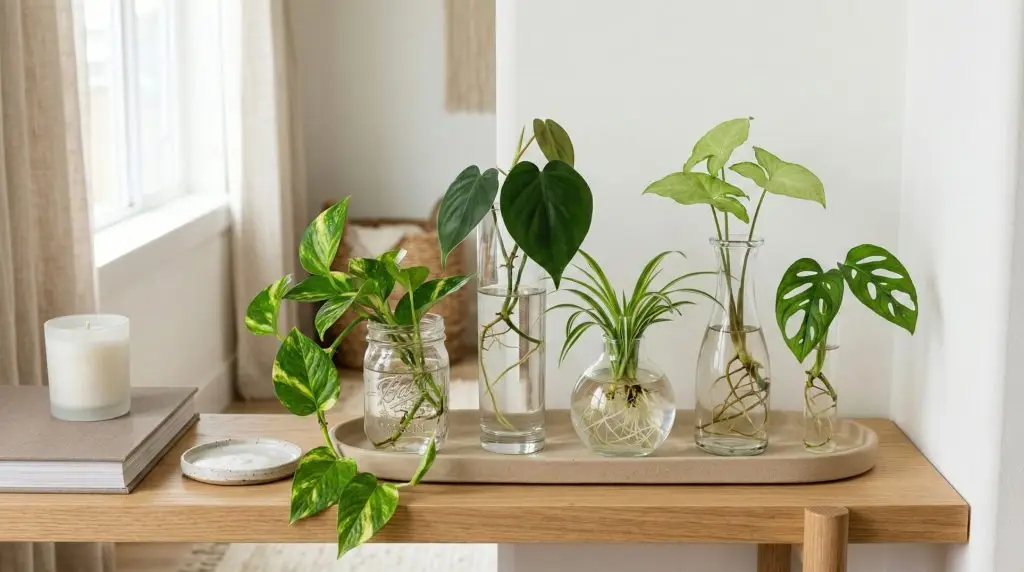
A small styling upgrade makes everything feel intentional: place jars on a tray, mix heights, and let one plant trail. Keep the look clean—roots become part of the beauty.
Want to go even more “designer”? This whole water-plant idea pairs perfectly with a bigger concept: turning everyday greenery into home decor that feels like art. If you’re into that, link this section to your other post: How to Turn Your Indoor Plants into Living Art.
Shopping list / tools list
These are the basics that make water-grown plants easier, cleaner, and prettier:
- Clear glass vases (narrow neck + wide options)
- Mason jars or apothecary jars for larger cuttings
- Amber/dark glass jars to slow algae
- Glass pebbles or smooth river stones
- Sharp plant snips for clean cuts
- Small funnel for mess-free refills
- Bottle brush for quick jar cleaning
- Optional: gentle hydroponic nutrients for long-term growth
- Optional: small grow light for low-light rooms
- Tray for grouping jars and protecting surfaces
Recommended tools to keep it easy (and keep it aesthetic)
If you’re building a water-plant setup you’ll actually stick with, a few items make a noticeable difference without feeling “extra”: a simple glass propagation station for shelves, clear cylinder vases for statement cuttings, and glass pebbles to keep stems standing tall. A tiny funnel and bottle brush are the behind-the-scenes heroes—your jars stay crystal-clear, and water changes take seconds instead of turning into a chore. These are easy to find on Amazon and other major retailers.
FAQ
Which indoor plants grow best in water?
The easiest, most reliable options are pothos, heartleaf philodendron, lucky bamboo, tradescantia, syngonium, spider plant pups, and coleus for color.
How often should I change the water?
Every 7–10 days is a great routine. Change sooner if the water turns cloudy or smells off.
Why are my leaves turning yellow?
Usually it’s one of these: not enough light, old water, or leaves sitting in water. Move the jar to brighter indirect light, refresh water, and keep leaves above the waterline.
How do I prevent algae in clear glass jars?
Avoid harsh direct sun, change water weekly, and consider amber glass or wrapping the jar to block light.
Do water-grown plants need fertilizer?
Not at first. Once roots are established, a tiny amount of hydroponic nutrient can help long-term growth. Too much can cause algae.
Can plants live in water forever?
Some can thrive long-term in water with regular water changes and good light. Others do better as a decor display for a period of time or require closer monitoring.
Conclusion
Growing indoor plants in water is one of those rare home upgrades that’s cheap, simple, and instantly aesthetic. With the right jar, bright indirect light, and a quick weekly water refresh, your cuttings stay crisp, your roots stay healthy, and your space gets that clean “styled on purpose” look—without soil, mess, or fuss.
Start with one easy winner (pothos or heartleaf philodendron), set it up today, and let it become your first “living decor” piece. Then build from there: add a second jar, mix heights, group them on a tray, and watch your shelf or windowsill start looking like a Pinterest photo—because it basically is.
If you want to take this idea even further, pair it with your next post: How to Turn Your Indoor Plants into Living Art—it’s the perfect next step after your jars are thriving.