How Often to Water Plants in Spring (Indoor & Outdoor Simple Guide)
Introduction
Spring is the season when plants start growing faster, pushing out new leaves, and using more water than they did in winter. But that does not mean every plant should be watered on the same schedule.
Some plants need frequent watering in spring, while others prefer their soil to dry out between waterings. The key is learning how to check the soil and water based on what the plant actually needs.
In this guide, you’ll learn a simple way to water both indoor and outdoor plants in spring, plus common mistakes to avoid and a practical tool list to make plant care easier.
In This Post You’ll Get
- A simple spring watering rule for indoor and outdoor plants
- How often to water common plant types
- The best time of day to water outdoor plants
- Signs of overwatering and underwatering
- A step-by-step spring watering method
- A simple tools list for easier plant care
- FAQ answers to common watering questions
Quick Wins for Spring Plant Watering
- Always check the soil before watering
- Most plants need more water in spring than in winter
- Outdoor pots dry out faster than garden beds
- Water outdoor plants in the morning when possible
- Use pots with drainage holes to prevent root rot
- Water deeply instead of giving small sips
- Group plants with similar watering needs together
- Wind and direct sun can dry soil much faster
- A moisture meter can help beginners avoid overwatering
Why Spring Watering Is Different
As spring begins, the days get longer and brighter. Plants respond by growing more actively, which means they use more water through their roots and leaves. This is true for both houseplants and outdoor plants.
At the same time, spring weather can be unpredictable. One week may be cool and rainy, while the next is warm and windy. That’s why a fixed watering schedule often causes problems.
A better approach is to use a simple routine plus a soil check. This helps you adjust naturally as the weather changes.
The Simple Spring Watering Rule
The easiest way to water plants in spring is:
Check the soil first, then water deeply if needed.
This works for almost every type of plant because it prevents the two biggest problems:
- Overwatering (soil stays too wet for too long)
- Underwatering (soil dries out too much)
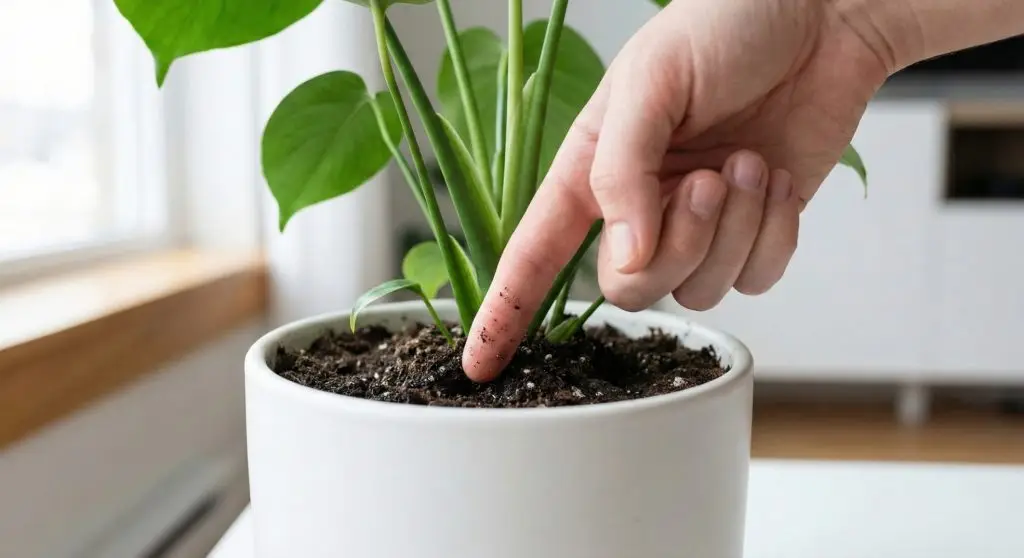
Use the Finger Test
For most potted plants, insert your finger about 1–2 inches into the soil.
- If it feels dry, water the plant
- If it still feels damp, wait and check again later
For garden beds, check a little deeper (about 2–3 inches), since surface soil can dry out quickly even when the root zone is still moist.
This one habit can improve your plant care more than any watering schedule.
How Often to Water Indoor Plants in Spring
Indoor plants usually need more water in spring because they get more light and begin growing faster. But frequency depends on several things:
- Plant type
- Pot size
- Light level
- Indoor temperature
- Humidity
- Pot material (terracotta dries faster than plastic)
General Indoor Spring Watering Guide
These are good starting ranges (always confirm with a soil check):
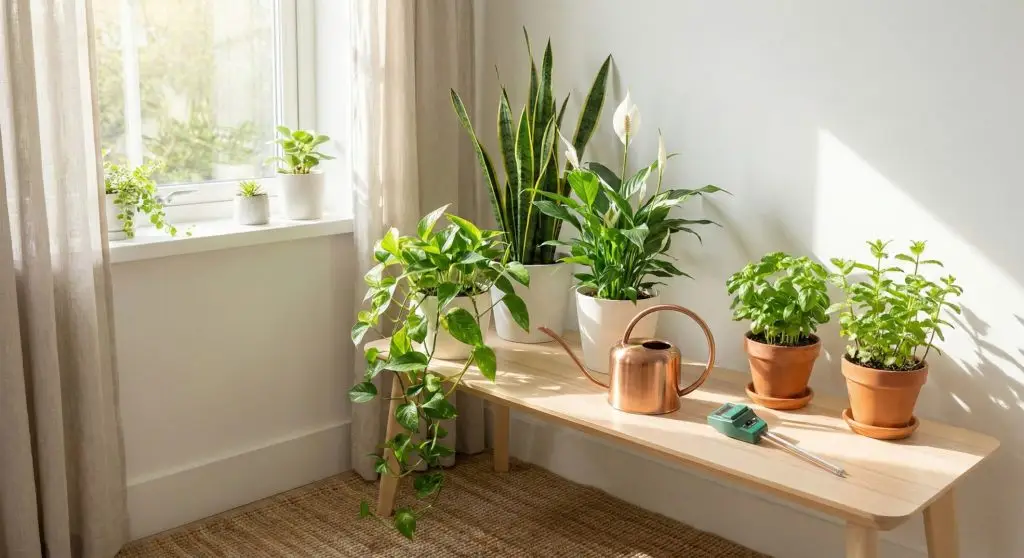
- Snake plant / ZZ plant: every 2–4 weeks
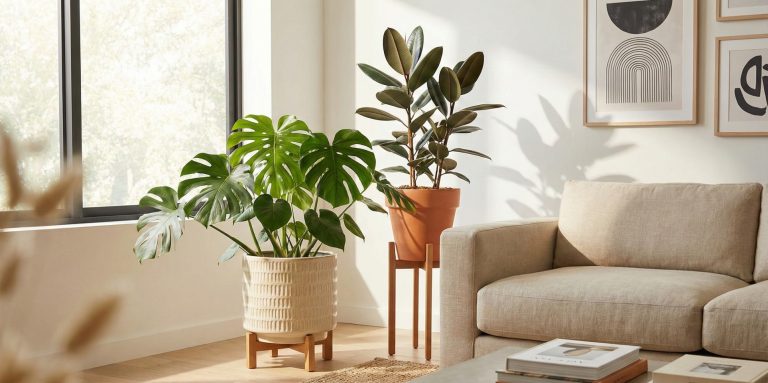
- Pothos / Philodendron / Monstera: every 7–14 days
- Peace lily / Ferns: every 4–7 days
- Indoor herbs (basil, mint, parsley): every 2–5 days
Signs an Indoor Plant Needs Water
- Topsoil feels dry
- Pot feels lighter than usual
- Leaves look slightly droopy
- Leaf edges look dry or crispy
Signs of Overwatering Indoors
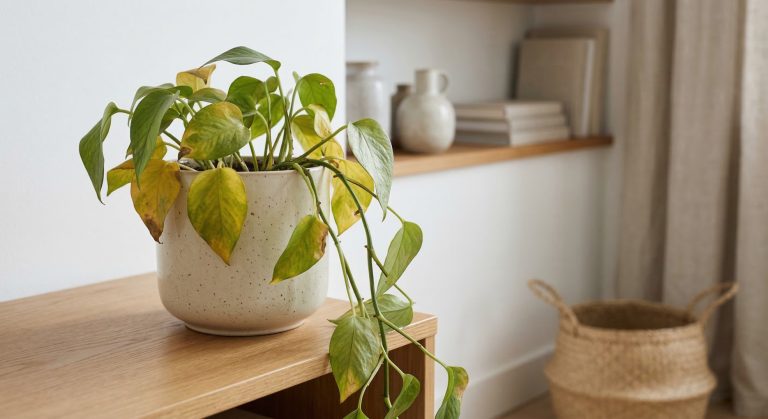
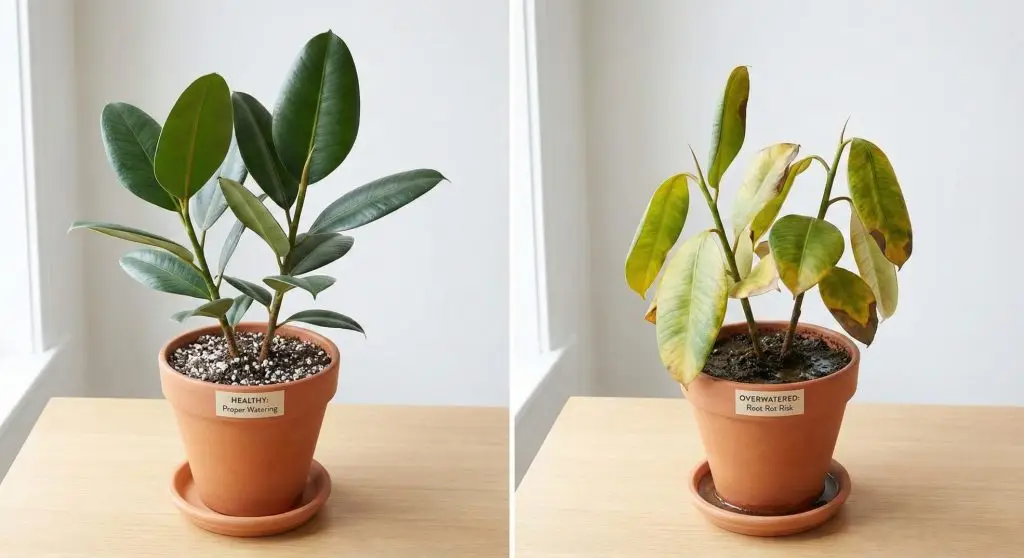
- Yellowing leaves
- Mushy stems
- Soil stays wet for days
- Fungus gnats around the pot
- Musty smell from soil
Indoor plants are easiest to manage when you check them on the same day each week, but only water the ones that actually need it.
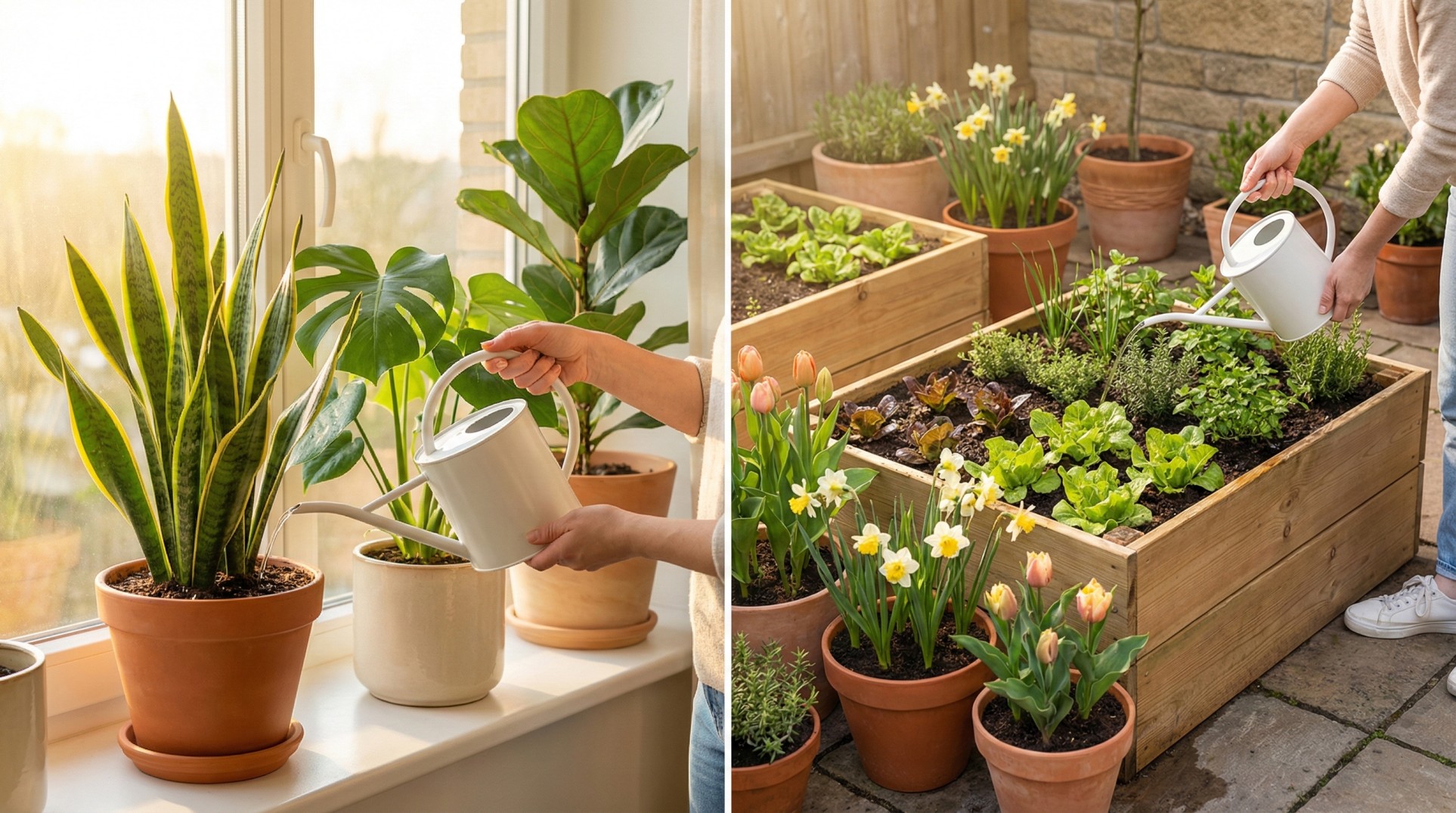
How Often to Water Outdoor Plants in Spring
Outdoor watering depends on weather more than anything else. Sun, wind, rain, and temperature changes all affect how quickly soil dries out.
General Outdoor Spring Watering Guide
Use these as starting points:
- Established garden beds: 1–2 times per week
- Newly planted flowers or vegetables: every 1–3 days until established
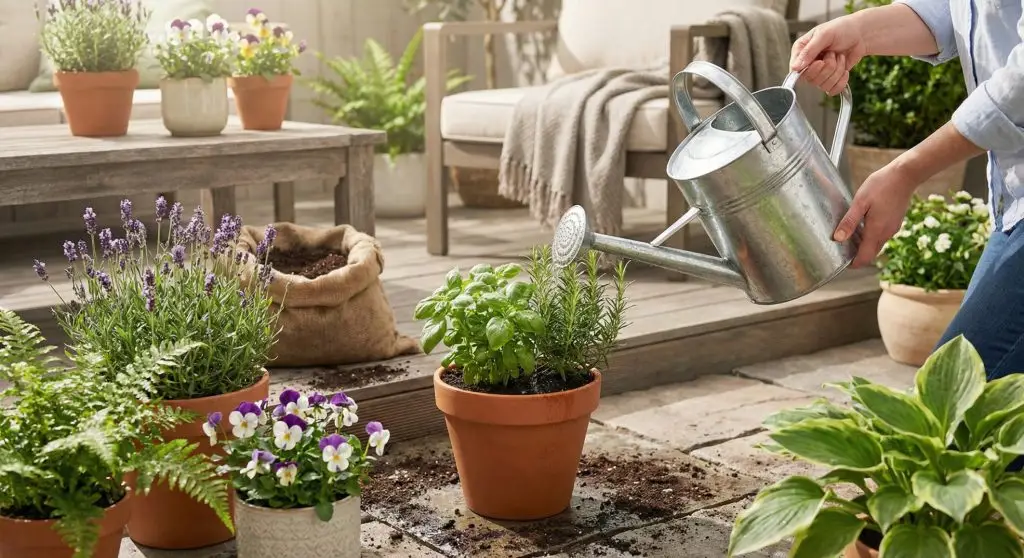
- Outdoor containers/pots: every 1–2 days in warm weather
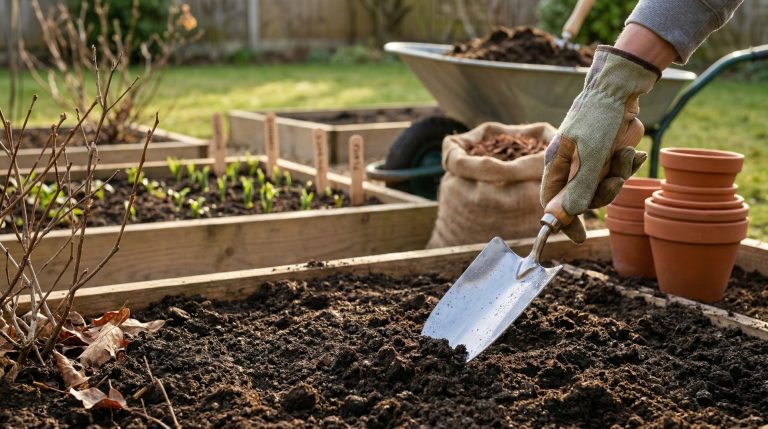
- Raised beds: 2–4 times per week
- Outdoor herb containers: every 1–2 days in sunny spots
Best Time to Water Outdoor Plants
The best time to water is early morning.
Morning watering helps plants absorb moisture before the heat of the day, and it reduces water loss from evaporation. It also gives leaves time to dry, which can help reduce mildew and fungal issues.
If morning is not possible, late afternoon is usually fine. Try to avoid watering in strong midday sun unless a plant is clearly stressed.
Don’t Forget Wind
Many people watch temperature but forget wind. A breezy spring day can dry out outdoor pots much faster than expected, especially on balconies and patios.
Step-by-Step: How to Water Plants Correctly in Spring
This method works for both indoor and outdoor plants and helps prevent most watering issues.
1) Check the Soil
Use your finger, a wooden stick, or a moisture meter. Never water just because it’s “watering day.”
2) Water Slowly
Pour water evenly over the soil surface. Watering slowly helps the soil absorb moisture better and prevents runoff.
3) Water Deeply
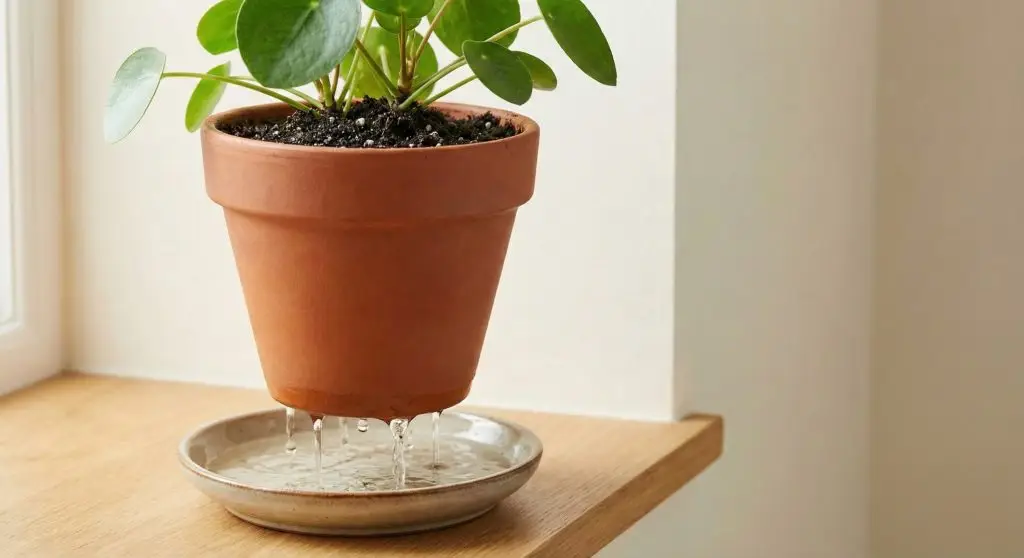
For potted plants, water until it drains from the bottom. For garden beds, water enough to soak into the root zone instead of only wetting the surface.
4) Let Extra Water Drain
If you use saucers under indoor pots, empty them after watering so roots are not sitting in water.
5) Recheck in a Day or Two
Spring weather changes quickly, so keep checking and adjust as needed.
6) Group Plants by Water Needs
Keep thirstier plants together and drought-tolerant plants together. This makes your routine easier and more accurate.
Common Spring Watering Mistakes to Avoid
Watering on a strict schedule only
A schedule can be helpful as a reminder, but plants don’t all dry out at the same rate. Always check the soil first.
Giving tiny amounts of water
Small sips only wet the top layer of soil. Roots grow better when water reaches deeper into the pot or bed.
Using pots without drainage holes
Decorative pots without drainage can trap water and lead to root rot. If you love decorative pots, place a nursery pot inside them and remove it for watering.
Treating all plants the same
Succulents, herbs, ferns, and flowering plants all have different water needs. Adjust by plant type.
Ignoring recent weather
Outdoor watering should change based on rainfall, sun, and wind. A cool cloudy week and a warm breezy week need different care.
Spring Watering by Plant Type
Houseplants
Most houseplants need more frequent checks in spring than in winter, especially if they are near bright windows.
Succulents and Cacti
These plants still prefer to dry out between waterings. In spring they may grow more, but they usually do not need frequent watering.
Herbs (Indoors or Outdoors)
Herbs such as basil, mint, and parsley often need consistent moisture, especially in small pots. Check them often in sunny spots. Check Best Herbs to Grow on a Windowsill (Top 5)
Flowering Annuals
These plants can be thirsty once they start growing fast. Keep soil evenly moist while they establish.
Raised Bed Vegetables
Raised beds drain faster than in-ground beds, so deep watering and mulch help a lot in spring.
Shopping List and Tools for Easier Watering
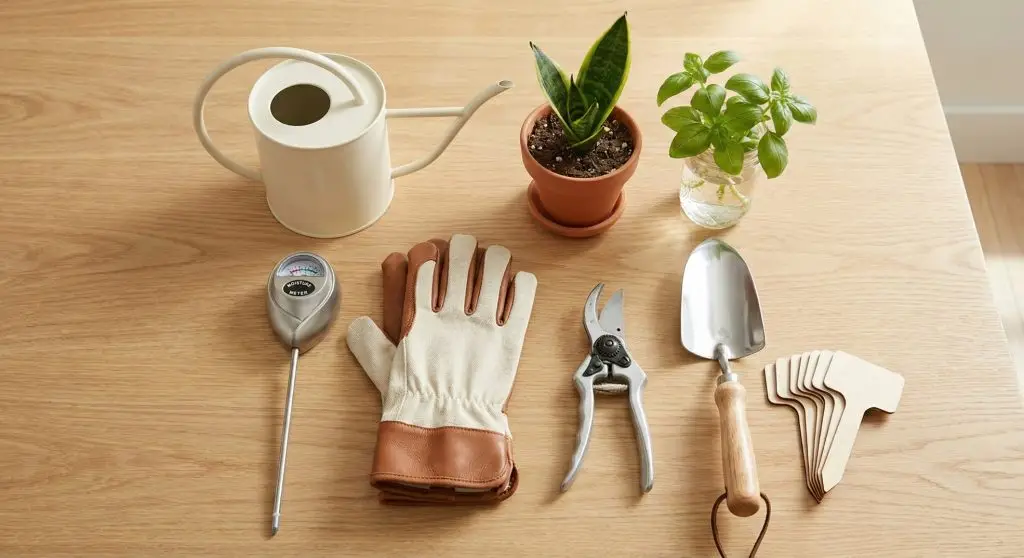
These tools make spring plant care easier and help you avoid common mistakes. Most are available on Amazon and other garden retailers.
Basic Tools
- Watering can with a narrow spout (great for indoor plants)
- Outdoor watering can or hose nozzle with gentle spray
- Soil moisture meter
- Pots with drainage holes
- Plant saucers or drip trays
- Quality potting mix
Helpful Add-Ons
- Self-watering pots (especially for herbs)
- Mulch for outdoor beds and containers
- Plant labels for tracking care
- Spray bottle for humidity-loving plants
- Watering wand for patio containers
When adding product links in your blog, keep the recommendations helpful and natural. Mention what the tool is useful for and who it works best for.
FAQ: Spring Plant Watering
How often should I water indoor plants in spring?
Most indoor plants need watering more often in spring than in winter, but the exact timing depends on the plant, pot, and light. A good range is every 4–14 days for many common houseplants.
Is morning the best time to water plants?
Yes, especially for outdoor plants. Morning watering reduces evaporation and gives plants time to use the water before the hottest part of the day.
Can I water plants on a fixed schedule?
You can use a schedule as a reminder, but always check the soil before watering.
Why are my plant leaves turning yellow?
Yellow leaves are often a sign of overwatering, poor drainage, or soil staying wet too long.
Do outdoor potted plants need more water than garden beds?
Yes. Containers dry out much faster, especially in sun and wind.
Is misting the same as watering?
No. Misting can help with humidity for some plants, but it does not replace watering the soil.
What’s the easiest tool for beginners?
A soil moisture meter is a simple tool that can help beginners avoid both overwatering and underwatering.
Final Thoughts
Spring watering becomes much easier when you stop guessing and start checking the soil. If you water deeply, use drainage, and adjust based on plant type and weather, your plants will grow stronger and look healthier all season.
The best habit to build is simple:
Check first, then water.